
Last updated November 16, 2026
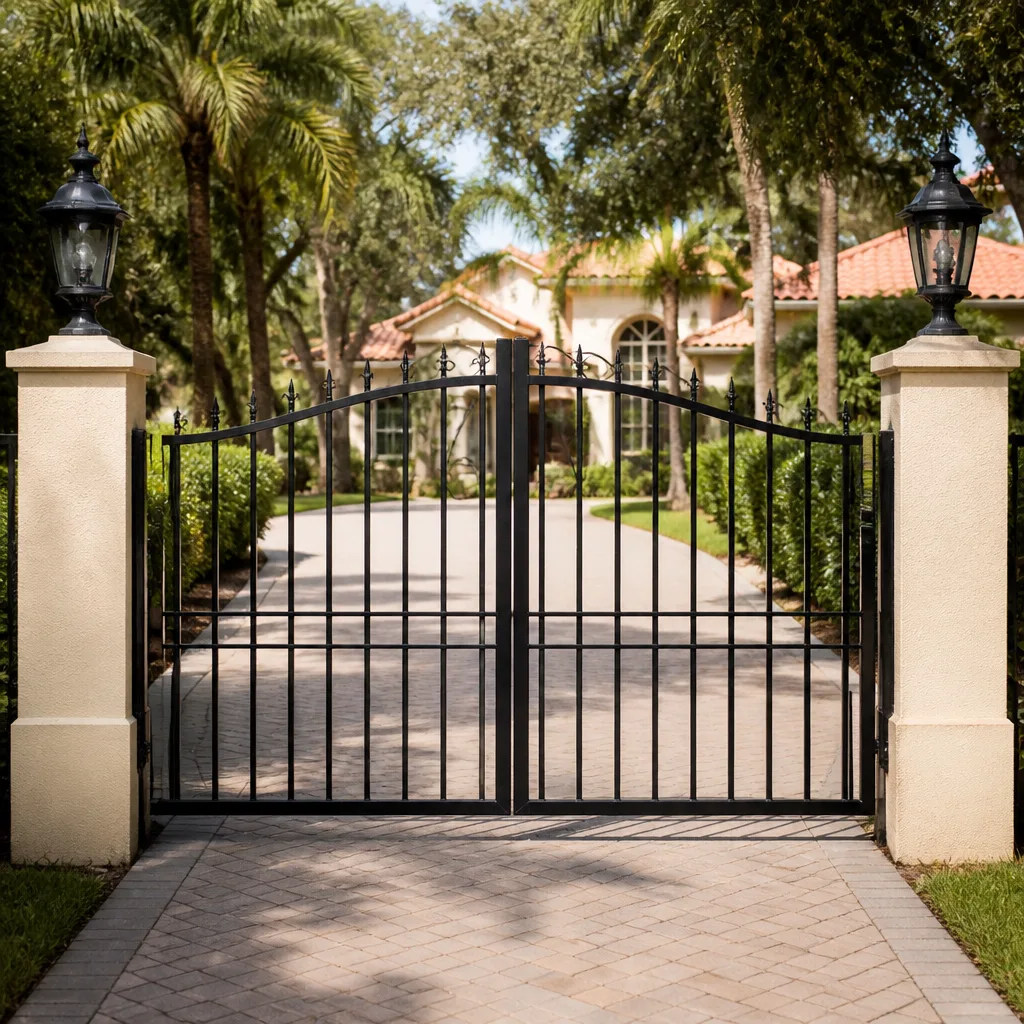 Wrought iron
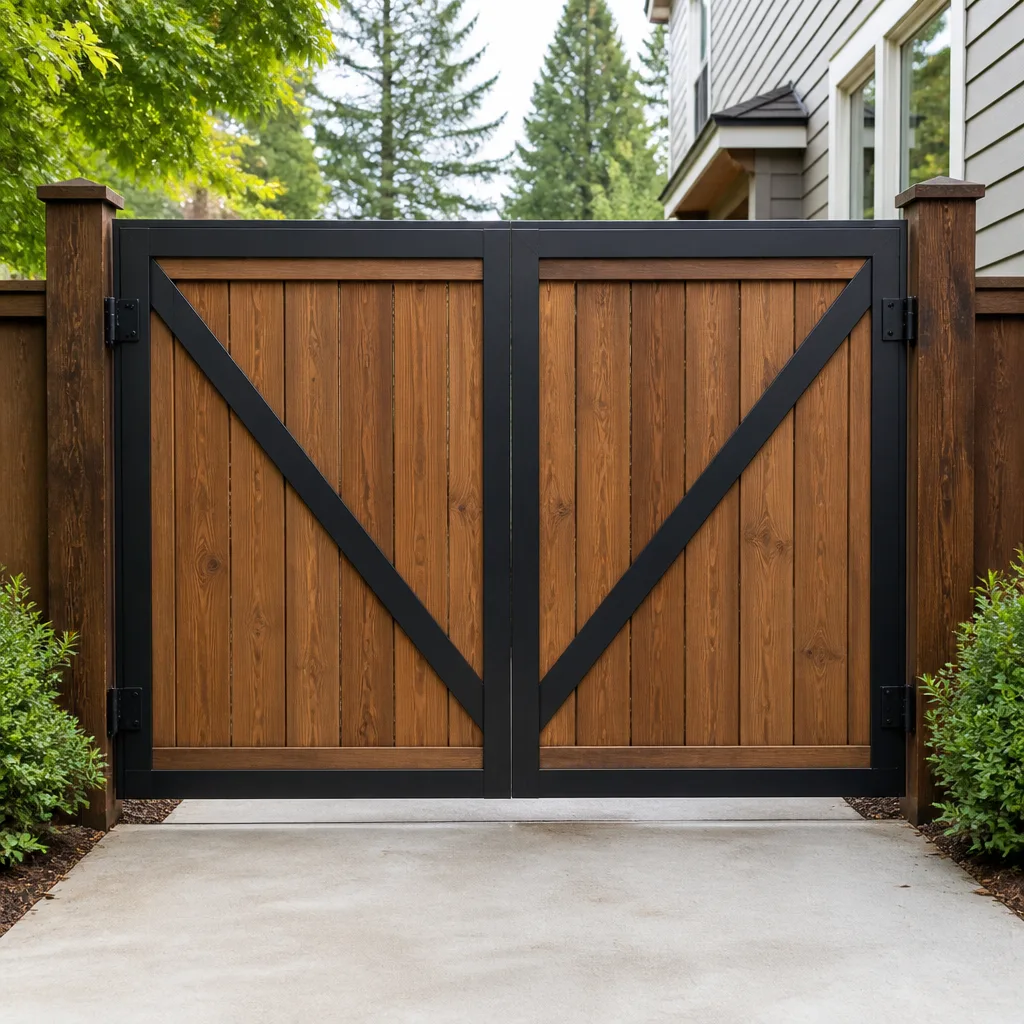 Wood & steel frame
 Farm & ranch
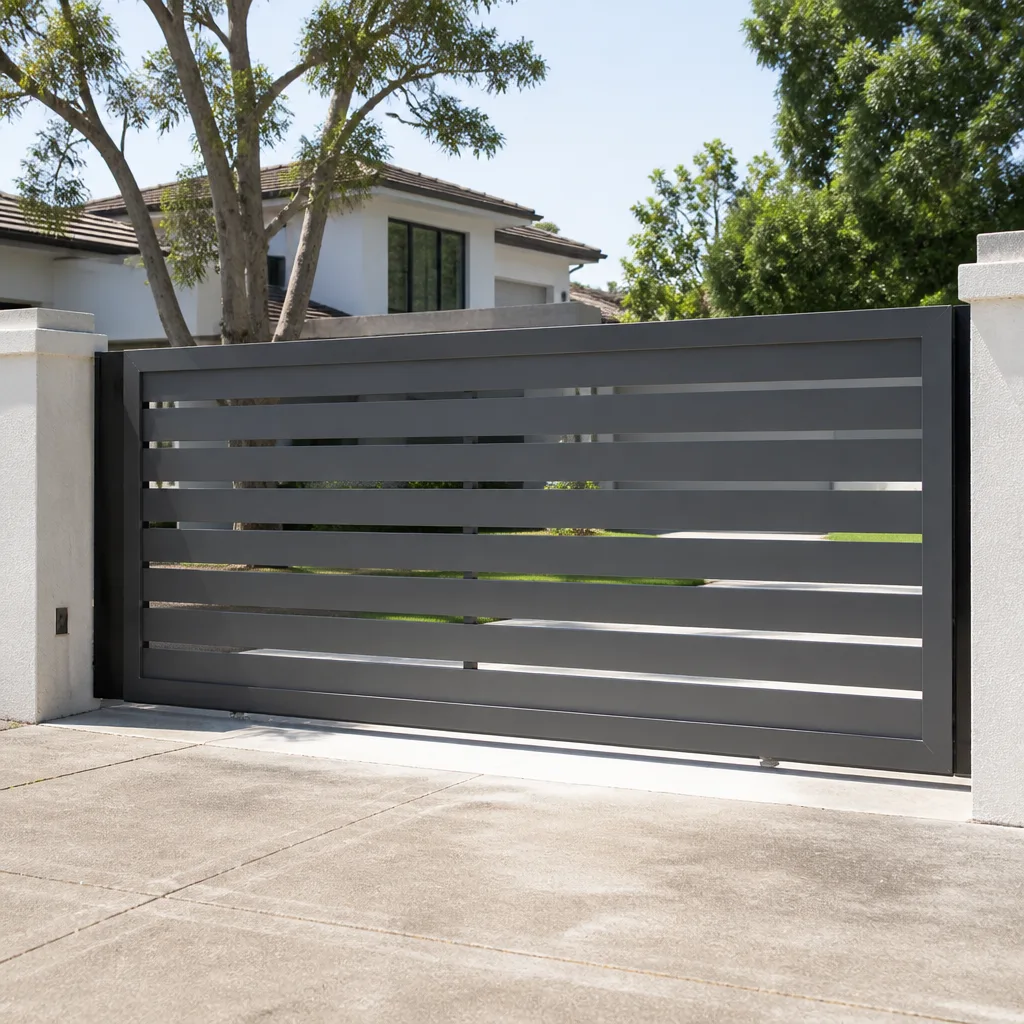 Sliding driveway gates
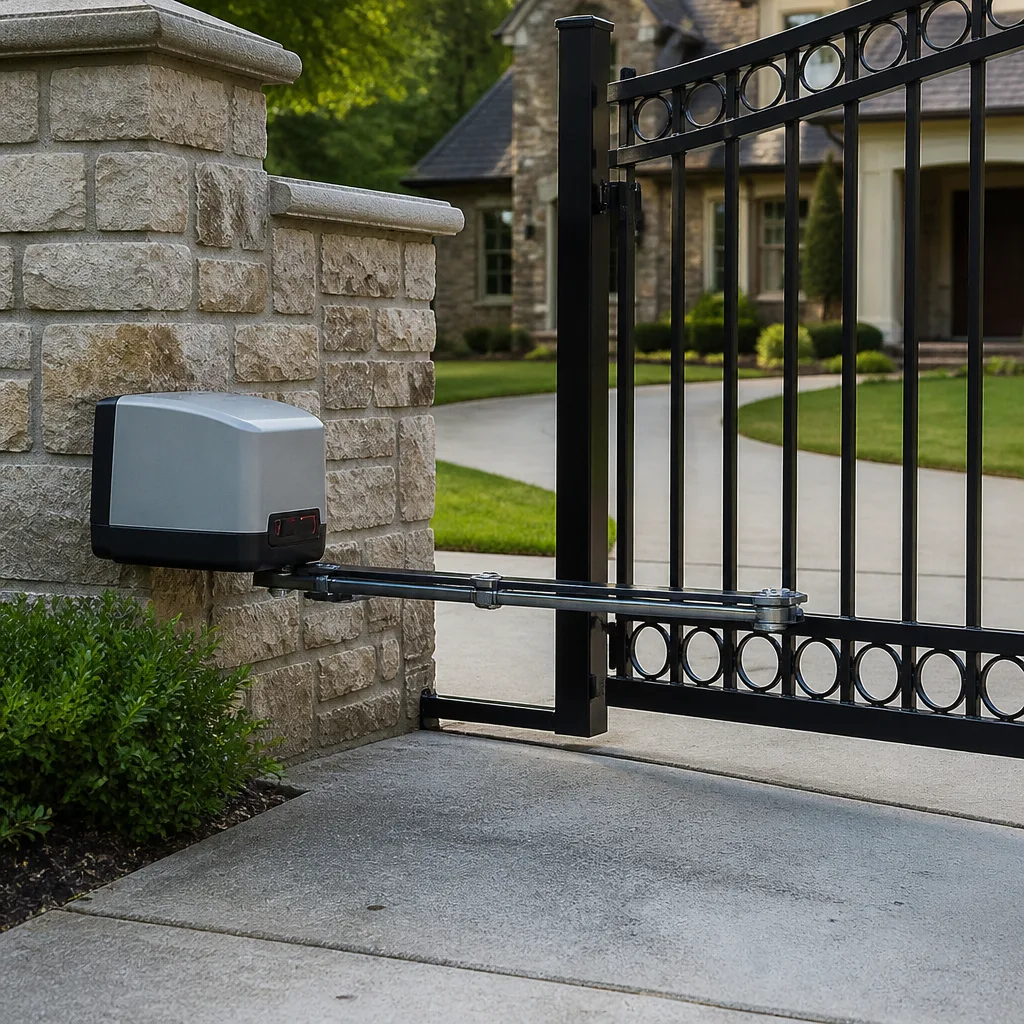 LiftMaster operators
Free on-site gate assessment - hinges, posts, and your LiftMaster or Nice gate operator checked before anything is quoted
The assessment is free and the quote is the invoice.
Get your free estimateHow to Hire a Gate Repair Contractor in Richmond: A Step-by-Step Guide
Request quotes from three gate contractors in Richmond and odds are one of them is really a garage-door installer who added the words “gate repair” to a website recently. From the quote alone, you often can’t tell the difference. That’s the trap. The bigger hiring mistake around automatic gates isn’t a missing background check; it’s hiring a generalist who treats gate work as a sideline, then paying a specialist to correct what got missed. This guide shows you how to vet for real gate expertise: the phone questions that expose a generalist, how licensing and insurance actually apply to gate work, how to read an estimate line by line, and the warranty terms to get in writing.
Quick Answer
To hire a gate repair contractor in Richmond, confirm three things before you book: the company works on gates as a specialty rather than as an add-on to fencing or garage doors, its technicians can identify your operator brand and system type from a description, and its written estimate itemizes parts and labor with brand-matched components. Then verify insurance that names automatic gate systems and get the parts and labor warranty in writing. A true gate specialist passes all of this on the first phone call.
Styles & brands we work with
- Wrought iron
- Wood & steel frame
- Farm & ranch
- Sliding driveway gates
- LiftMaster operators
Table of Contents
- Why a Gate Specialist Beats a Generalist
- Five Phone Questions That Reveal Real Gate Expertise
- What Virginia Licensing and Insurance Actually Cover for Gate Work
- How to Read a Gate Repair Estimate
- The Referral Trap: Weighing Neighborhood Recommendations
- Warranty Language to Require in Writing
- When the Problem Is the Operator, Not the Gate
- Richmond Conditions That Affect Your Gate
Why a Gate Specialist Beats a Generalist
A gate specialist does one category of work and does it repeatedly. That focus matters because gate systems combine mechanical hardware, heavy moving panels, and low-voltage controls in a way that fencing crews and garage-door installers rarely handle end to end. When a company splits its attention across unrelated trades, gate calls become the job they fit in around everything else, and the diagnosis reflects that.
The clearest signal is brand familiarity. Certain operators show up again and again on residential and commercial gates around the region: BFT, Linear, Viking, and Ghost Controls among them, alongside others. A specialist recognizes the quirks of each manufacturer’s hardware and knows where that model typically fails. A generalist has to look it up, then guess. We work on BFT and Linear systems often enough that we know their common failure points before we arrive, and that shortens the diagnostic visit.
Here’s the practical difference in outcomes:
- Diagnosis speed. A specialist narrows the fault faster because the system type is familiar, not novel.
- Parts accuracy. Brand-matched components get ordered correctly the first time, which means fewer return visits.
- Full lifecycle coverage. A specialist handles repair, electric troubleshooting, and new installation, so one company owns the problem from first call to final test.
- Control-level depth. Board-level faults, loop detectors, intercom integrations, and motor failures are routine to a gate specialist and unfamiliar territory to most handymen.
If you’re searching for Richmond Gate Repair options, this is the filter to apply first: does the company treat gates as its entire business, or as a line item on a longer service menu?
Five Phone Questions That Reveal Real Gate Expertise
You can separate a gate specialist from a generalist in about five minutes on the phone, before anyone drives out. Ask these questions and listen for answers that are specific rather than vague.
- “My operator has a brand name on the housing. Can you tell me what kind of system that likely is?” Give them a description: the shape of the control box, the arm or the track, anything printed on the housing. A specialist asks follow-up questions and narrows it down. A generalist says “we’ll take a look when we get there.”
- “Do you work on both swing and slide gates, and both manual and automated?” A genuine gate company answers without hesitation and explains the difference in how they troubleshoot each.
- “What brands do your technicians know well?” Listen for specific names. A specialist can rattle off the operators they see most, because they’ve worked on them repeatedly.
- “Can you diagnose a control board, loop detector, or intercom problem, or do you only handle mechanical issues?” This is where the real division shows. Many companies handle a sagging hinge but can’t touch the electronics. Electric work is a different skill set.
- “Will the written estimate itemize parts and labor separately?” A specialist says yes and explains how. A generalist quotes a flat number and hopes it holds.
Write the answers down. If two companies give specific, confident responses and one deflects, you already have your shortlist. This is the single most useful screening step in the whole process, and it costs you nothing but a phone call.
What Virginia Licensing and Insurance Actually Cover for Gate Work
Virginia regulates contractors at the state level, and gate work can fall under more than one category depending on whether you’re repairing an existing system or having a new one installed. Rather than assume a license class covers what you need, verify it directly. Ask the company what classification its work falls under and confirm that with the state’s contractor licensing authority before you sign anything. A straight answer here tells you a lot.
Insurance is where homeowners get caught. A certificate of insurance that lists general fencing or general contracting may not actually name automatic gate systems, and if a heavy gate panel or operator fails during work, the coverage needs to match the job. Ask for documentation that specifically covers automatic gate systems, and read it rather than glancing at the header.
What to collect and check:
- State contractor license. Confirm the classification covers the type of gate work you’re having done, and ask the city about any permits the job requires.
- General liability insurance. The certificate should name automatic gate systems, not just fencing or general construction.
- Written estimate before work. The price should be quoted and agreed before any work starts, so there are no surprises at invoice time.
None of this is unusual to ask for. A specialist expects it and produces the documents quickly. Reluctance to provide insurance documentation is your cue to move on to the next call.
How to Read a Gate Repair Estimate
An estimate tells you how a company thinks. A competent gate repair estimate is itemized, names specific components, and separates parts from labor. A weak one gives you a single line that says “gate repair” with a number beside it. The itemization is not paperwork fussiness; it’s how you judge whether the diagnosis is real.
Look for these markers of a competent estimate:
- Component-specific labor. Labor broken out by task, such as “operator arm replacement” or “control board swap,” not one lump sum.
- Brand-matched parts. The part listed matches the manufacturer of your operator, with a name you can look up.
- Clear scope. The estimate says what will be done, what won’t be touched, and what happens if a second fault turns up.
- Written terms. The final price is set by the written estimate, in writing, before work starts.
Treat these as red flags:
- A flat “gate repair” fee with no breakdown of parts or labor.
- Parts listed generically, with no brand or model reference.
- A price that changes verbally but not on paper.
- No mention of what the warranty covers.
When a company has to name each component and its cost, it can’t hide a guess behind a round number. That’s good for you whether the job is a simple hinge adjustment or a full operator swap. If you want to understand the scope of what gate repair actually involves before you compare quotes, that’s worth a few minutes of reading.
The Referral Trap: Weighing Neighborhood Recommendations
Neighborhood groups are a useful starting point and a poor decision-maker. Recommendations tend to favor whoever was cheapest and fastest, because that’s what people remember and repeat. Price is a real factor, but it shouldn’t be the only one, and a recommendation alone tells you almost nothing about whether the company is a gate specialist.
Weight a referral properly with a short follow-up:
- Ask what the job actually was. A fence repair recommendation is not a gate-operator recommendation.
- Ask whether the work involved the electronic system, the mechanical gate, or both.
- Ask if the fix held. A repair that failed within a season isn’t a strong endorsement.
- Then run the five phone questions above on the recommended company anyway. A good referral still needs to pass the screening.
A recommendation gets a company onto your shortlist. It doesn’t get it past the screening. Homeowners across Richmond have plenty of options, and the best way to compare them is on the same criteria, not on who came up most often in a comment thread.
Warranty Language to Require in Writing
Warranty terms separate a confident specialist from a company that hopes you don’t call back. You want two distinct warranties spelled out: a parts warranty and a labor warranty. They cover different things, and a verbal assurance covers neither.
- Parts warranty. Covers the replacement component itself, such as the operator, control board, or motor, if it fails within the stated period. Ask who honors it and how a claim is made.
- Labor warranty. Covers the work done to install or repair the system if it fails due to workmanship. This is the one that protects you when a fix doesn’t hold.
Get both in writing, with the specific length of each stated on the estimate or invoice. Ask what voids them: a power surge, a customer moving the gate by hand, or a second company touching the system. A reputable Richmond specialist states the terms plainly, without hesitation, because a clear warranty is a selling point, not a liability. If the answer is vague or spoken rather than written, keep looking.
When the Problem Is the Operator, Not the Gate
Many gate failures aren’t mechanical at all. The gate swings or slides fine by hand, but the operator won’t respond, the control board is dead, or the loop detector keeps triggering. This is where general contractors and handymen hit a wall. Electric gate work means diagnosing low-voltage controls, motors, and sensors, and it’s a different discipline from hanging a panel or fixing a hinge.
What electric electric gate repair should cover when you hire for it:
- Control board diagnosis and replacement. The board is the brain of the system, and a specialist can read its fault indicators rather than swapping parts blindly.
- Loop detector and sensor troubleshooting. Vehicle detectors and safety edges that fail create phantom openings or gates that won’t close.
- Intercom and access integration. Entry systems tied into the operator need someone who understands the whole circuit, not just the gate.
- Motor and operator failure. If the motor is done, brand familiarity means the replacement is chosen correctly the first time.
Safety matters here. Gate operators carry live wiring, and heavy panels can crush or trap. We recommend leaving the electrical side to a trained technician, and we won’t walk you through a do-it-yourself fix on live controls. Describe the symptoms, and let a specialist diagnose the system. Our technicians have up to 12 years of experience with these systems and know where each brand tends to fail.
Richmond Conditions That Affect Your Gate
Richmond’s climate puts real stress on outdoor gate hardware. Hot, humid summers and repeated freeze-thaw swings through the cooler months work on hinges, tracks, and the seals around operator housings. Clay-heavy soil shifts with moisture and can throw a slide gate’s track out of line, which shows up as a gate that drags or binds partway along its run. Older neighborhoods and newer outer suburbs bring different gate types and different site conditions, so the diagnosis depends on what’s actually installed.
What this means for hiring:
- Ask whether the company understands how seasonal ground movement affects slide-gate tracks. A specialist accounts for it instead of just straightening the track and leaving.
- Humidity and temperature swings are hard on control enclosures and wiring. A company used to working on BFT and Viking operators locally knows what tends to fail first.
- Ask what happens when a gate fails outside normal dispatch hours. We answer 24/7, and a call outside dispatch hours is booked into the next opening, Sunday through Friday, 7am to 7pm.
Local familiarity doesn’t replace the screening steps above, but it explains why a contractor who regularly works in Richmond will diagnose common failures faster than one who’s passing through.
Common Mistakes to Avoid
- Hiring a garage-door company that added gate repair recently. The systems are different, and a garage-door mindset misses gate-specific faults. Ask directly how long gates have been the focus.
- Accepting a flat “gate repair” quote. Without itemized parts and labor, you can’t tell a real diagnosis from a guess, and the invoice can drift from the quote.
- Skipping the insurance check. A certificate that names fencing but not automatic gate systems may not cover the work. Read the document, not just the header.
- Choosing on price alone. The cheapest quote often belongs to the generalist, and paying a specialist to correct a missed diagnosis costs more than hiring one the first time.
- Taking a warranty verbally. If the parts and labor warranty aren’t in writing with a stated length, you don’t really have one.
- Assuming a mechanical fix solves an electrical problem. If the gate moves by hand but the operator won’t run, a handyman who only handles hardware will miss the control-side fault.
- Letting a referral end the search. A neighborhood recommendation puts a company on the shortlist; the five phone questions decide whether it stays there.
See the difference
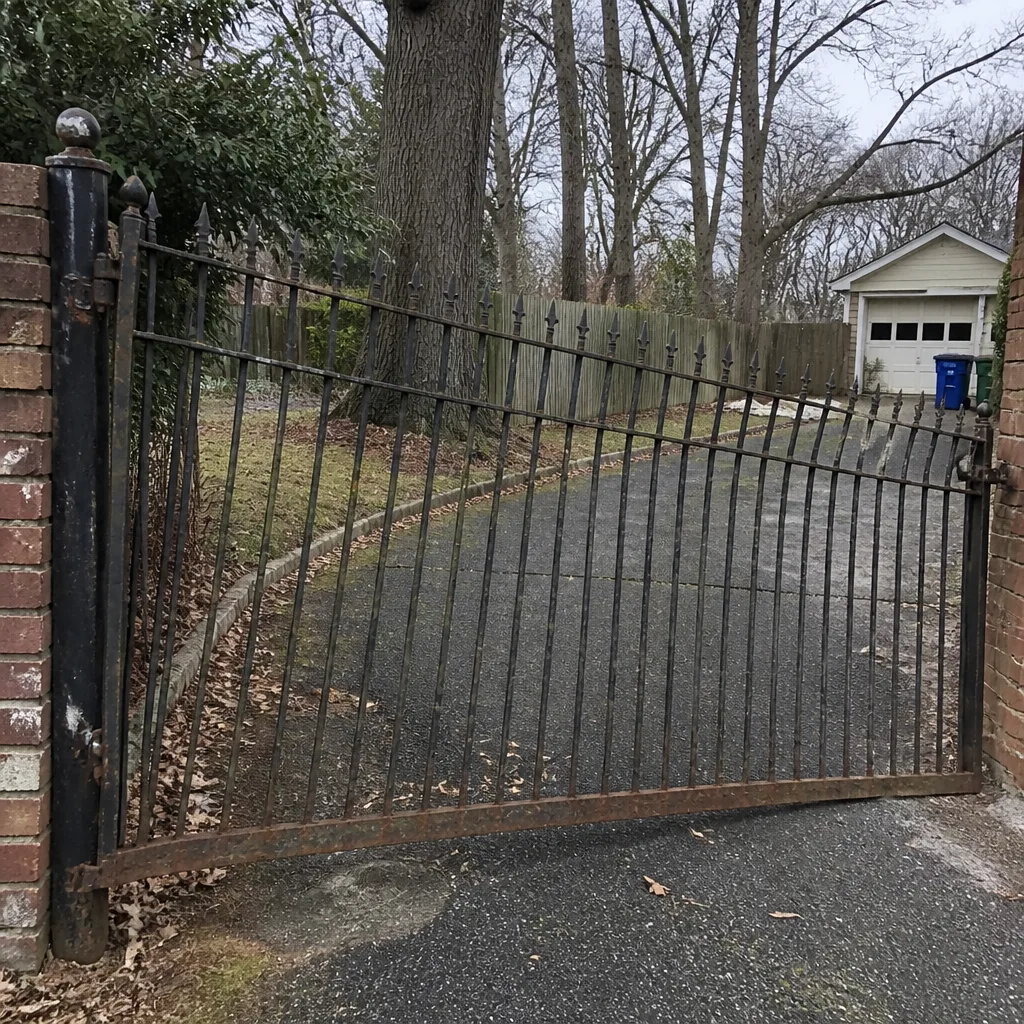 Before
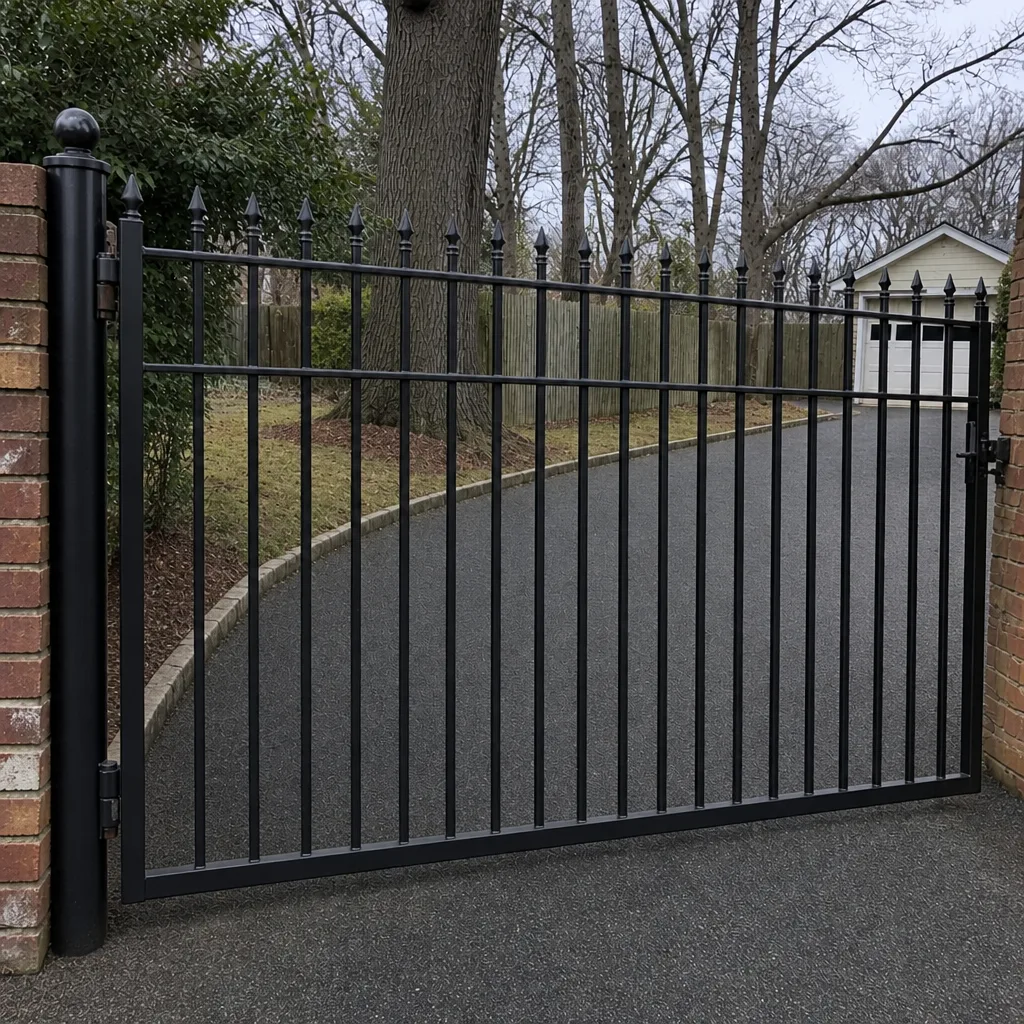 After
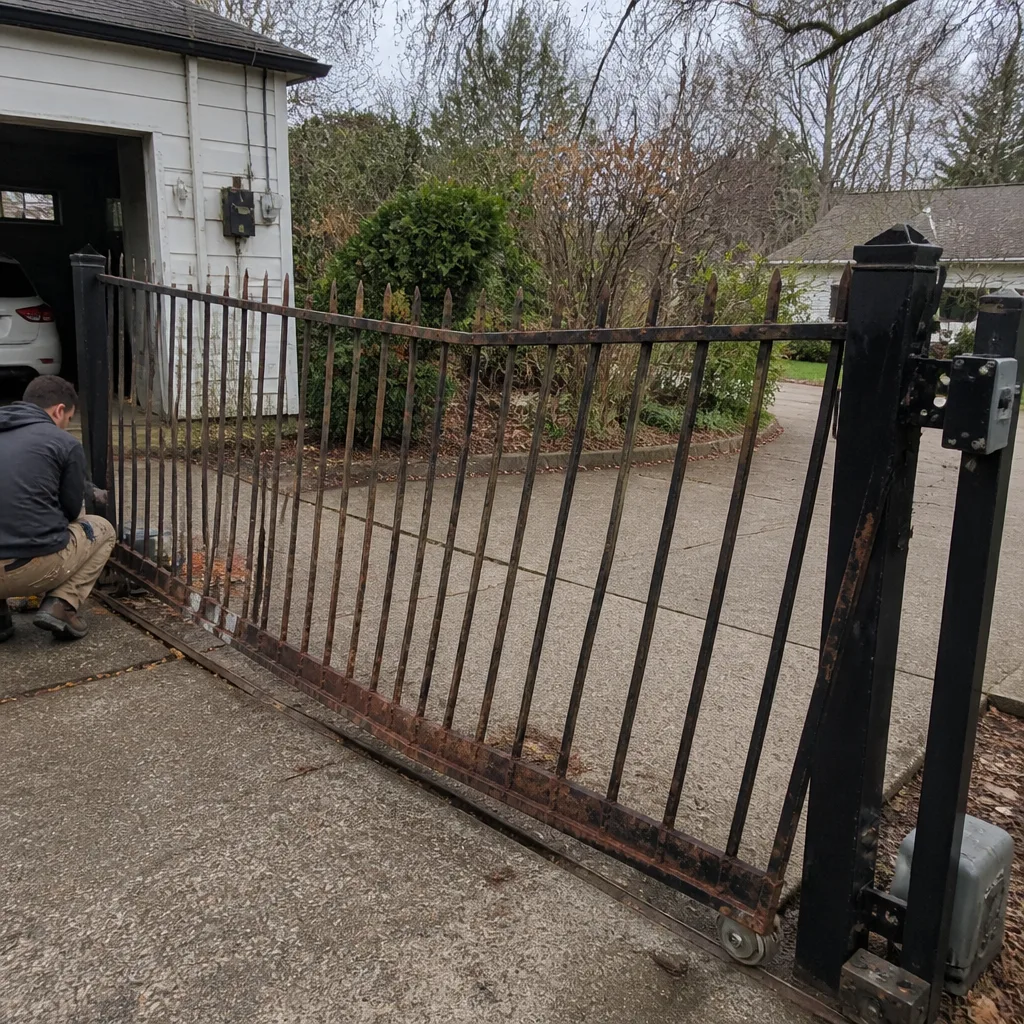 Before
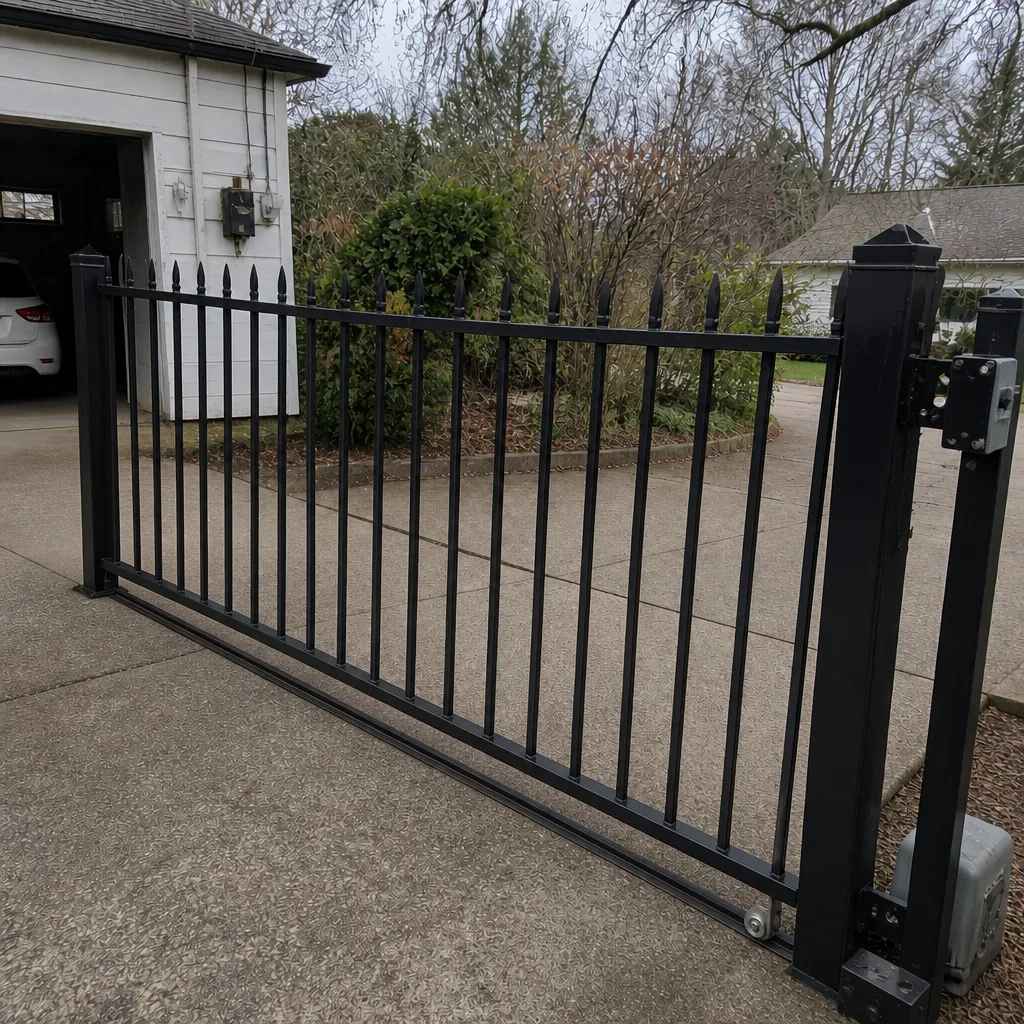 After
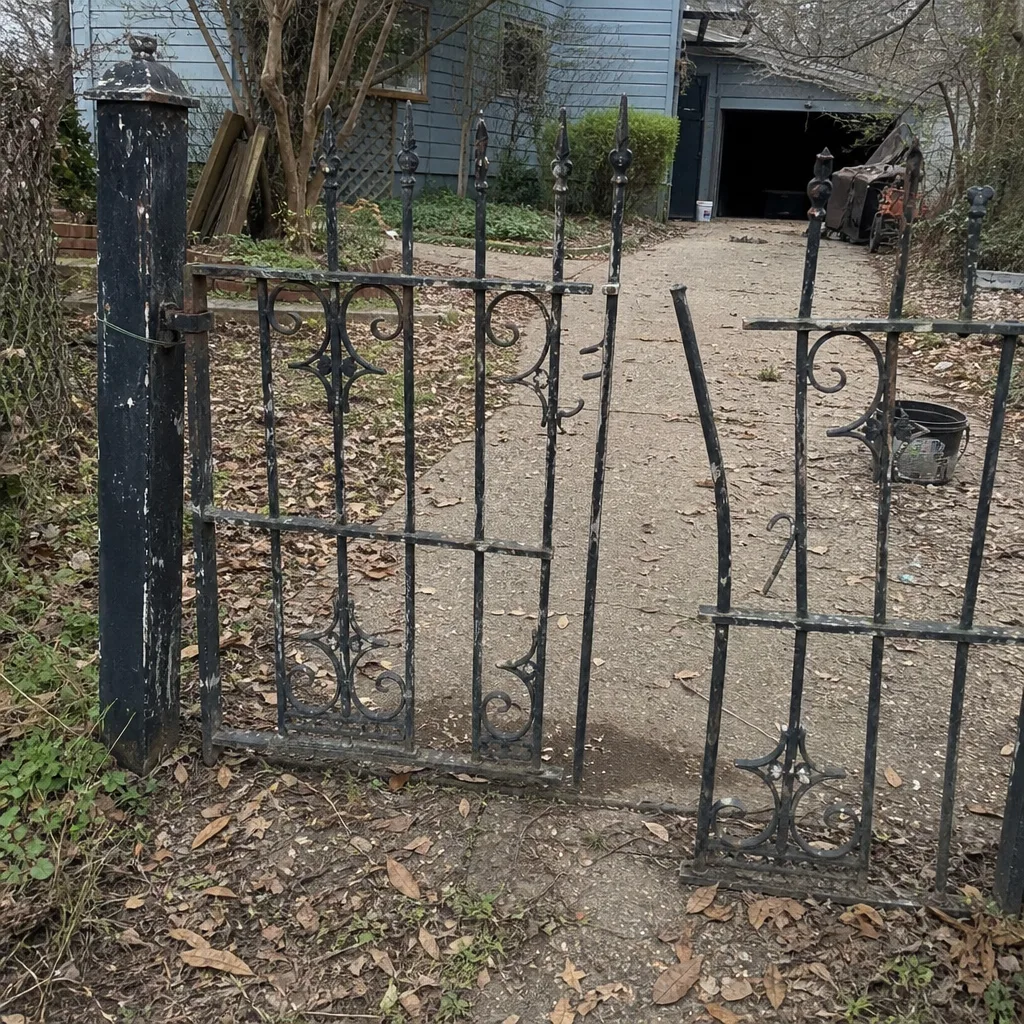 Before
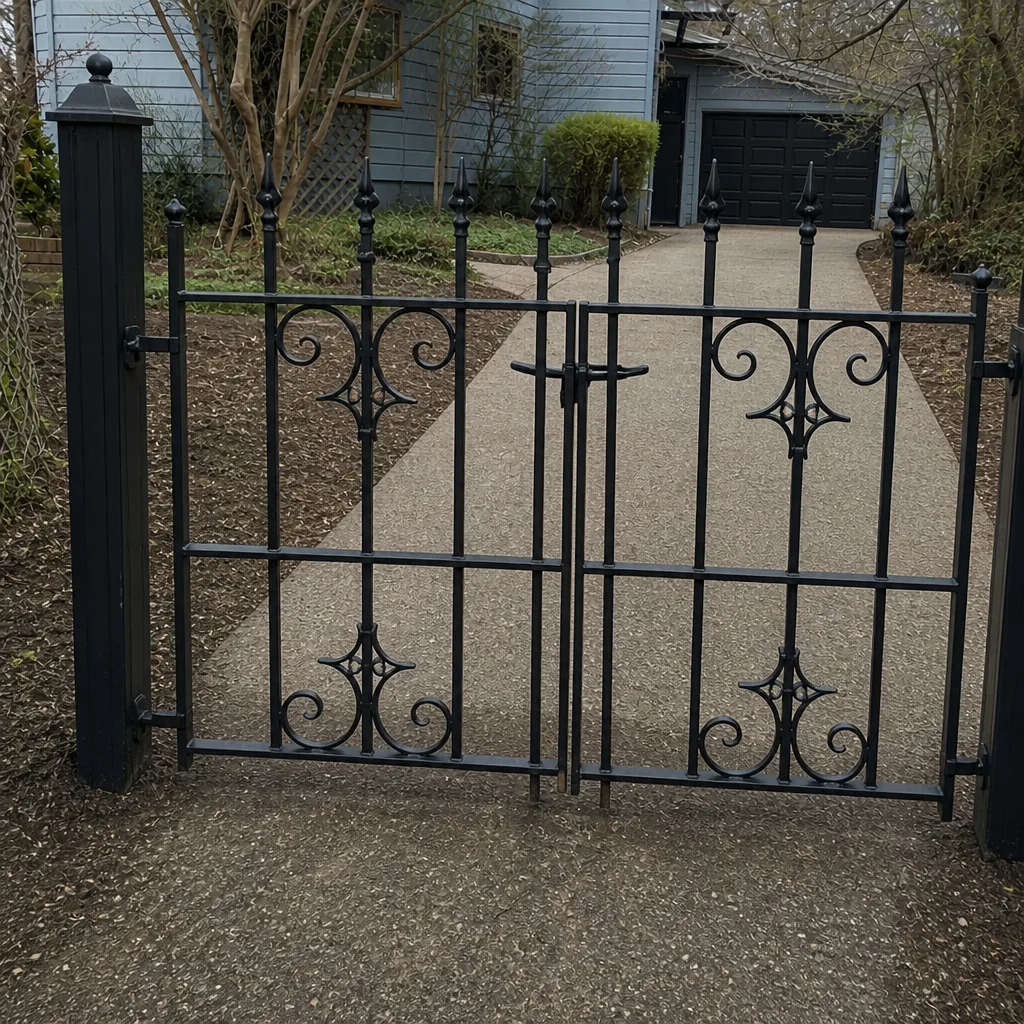 After
When to Call a Professional
Call a specialist when your gate won’t open or close, when the operator runs but the gate doesn’t move, or when the system opens on its own. Call when a slide gate jumps or drags on its track, when a hinge or post has shifted, or when the control board, loop detector, or intercom stops responding. Treat any problem on the electrical side, from live wiring to a motor that won’t start, as a job for a trained technician rather than a do-it-yourself fix, because gate operators and heavy panels can injure. If your gate was never installed right and has never quite worked, a specialist can assess the whole system rather than patching symptom after symptom. Richmond Gate Repair offers free estimates in Richmond. Call (866) 942-6565. We answer 24/7, with fast dispatch from 7am to 7pm.
Frequently Asked Questions
Gate repair pricing is set per job by a written estimate, so the only reliable number comes from an on-site look at your specific system. The price is quoted and agreed before any work starts, and the estimate is free. Call (866) 942-6565 for an exact quote.
Same-day service is possible for many repair calls, and we answer 24/7 with fast dispatch from 7am to 7pm, Sunday through Friday. A call outside dispatch hours is booked into the next opening, Sunday through Friday, 7am to 7pm. Call (866) 942-6565 and we’ll find the soonest slot.
Ask them to identify your operator brand from a description, to name the brands their technicians know well, and whether they can diagnose a control board or loop detector. A true gate specialist answers all three with specifics. A generalist deflects or promises to look when they arrive.
Yes. A certificate that lists general fencing or general contracting may not name automatic gate systems, so ask for documentation that specifically covers that work and read it. A specialist provides it without pushback.
We handle both. Our electric gate work covers control boards, loop detectors, intercom integration, motors, and operator failures, alongside mechanical repairs on hinges, tracks, and panels. We’re experienced with BFT, Linear, Viking, and Ghost Controls systems, among others. Call (866) 942-6565 to describe the fault.
You should get both a parts warranty and a labor warranty stated in writing on the estimate or invoice, each with its own length. Ask who honors the parts warranty and what voids both. If the terms are only spoken, ask for them in writing before work starts.
The Bottom Line
The single best protection when hiring gate repair in Richmond is to confirm genuine gate expertise, not just a business card that mentions gates. Screen with the five phone questions, verify a Virginia license and insurance that specifically covers automatic gate systems, insist on an itemized estimate with brand-matched parts, weight referrals on the criteria rather than on price, and get the parts and labor warranty in writing. A specialist passes every one of these, and you pay once instead of paying twice to correct a generalist’s guess.
Ready to Get Your Gate Working Again?
Whether your gate won’t open, won’t close, or was never installed right, we can help. Richmond Gate Repair focuses only on gates: repair, electric systems, and installation, with technicians who know nine major operator brands by sight. Estimates are free and the price is quoted before any work starts. Call (866) 942-6565 for your free estimate. We answer 24/7, with fast dispatch from 7am to 7pm.
Written by the team at Richmond Gate Repair.