
Last updated November 16, 2026
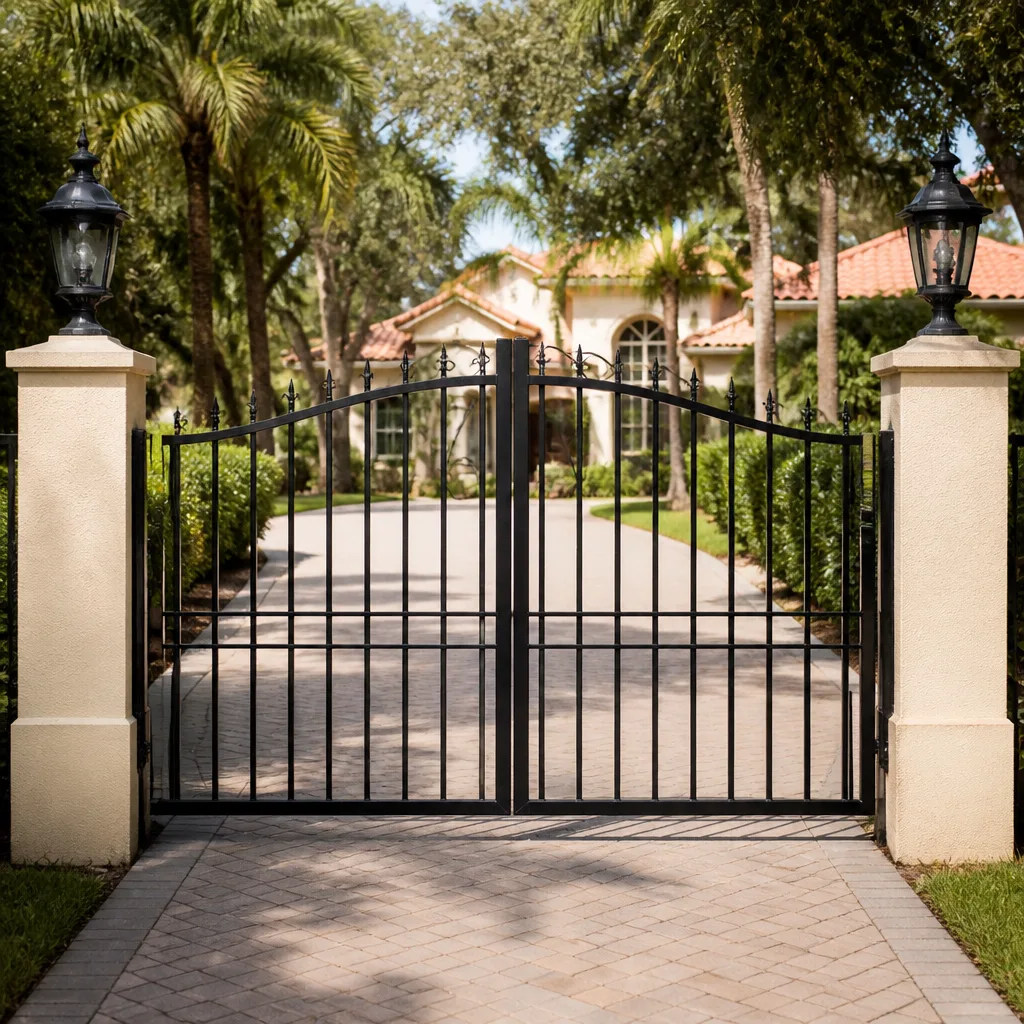 Wrought iron
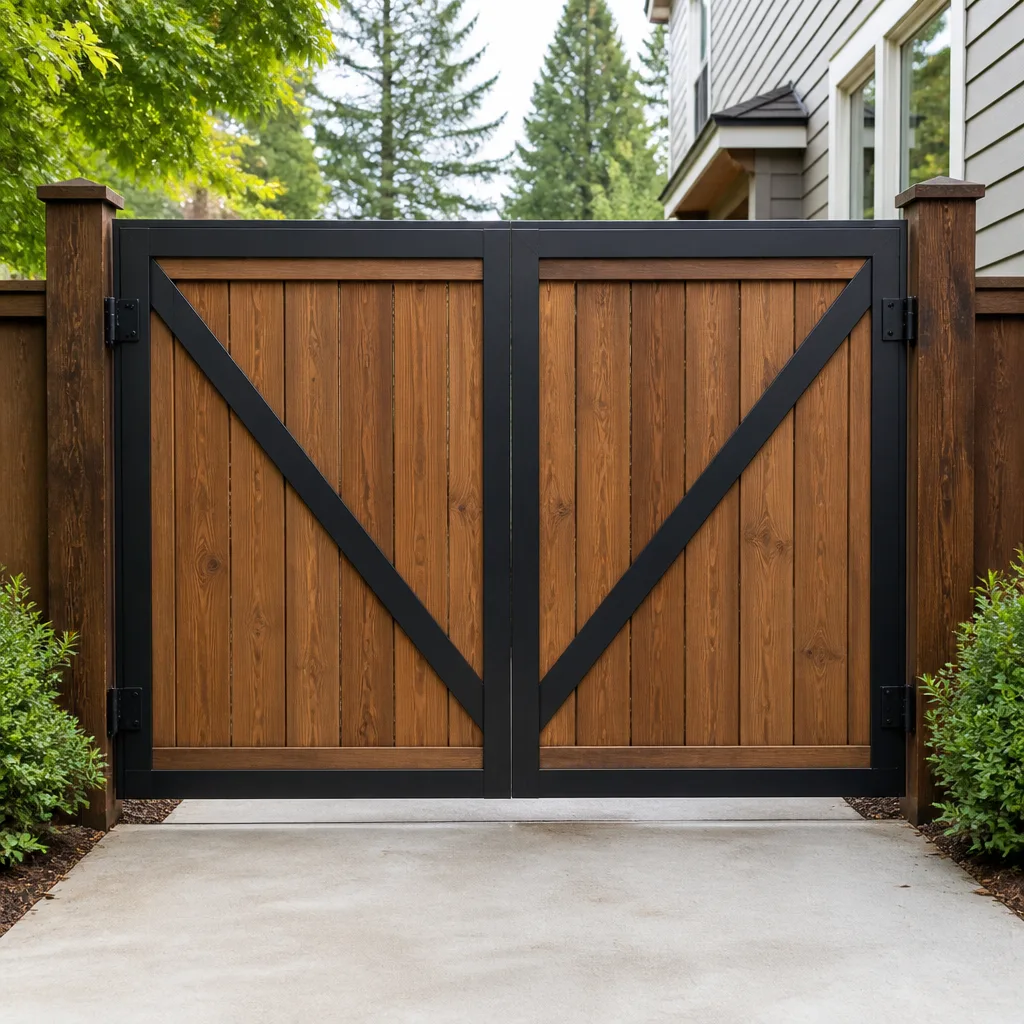 Wood & steel frame
 Farm & ranch
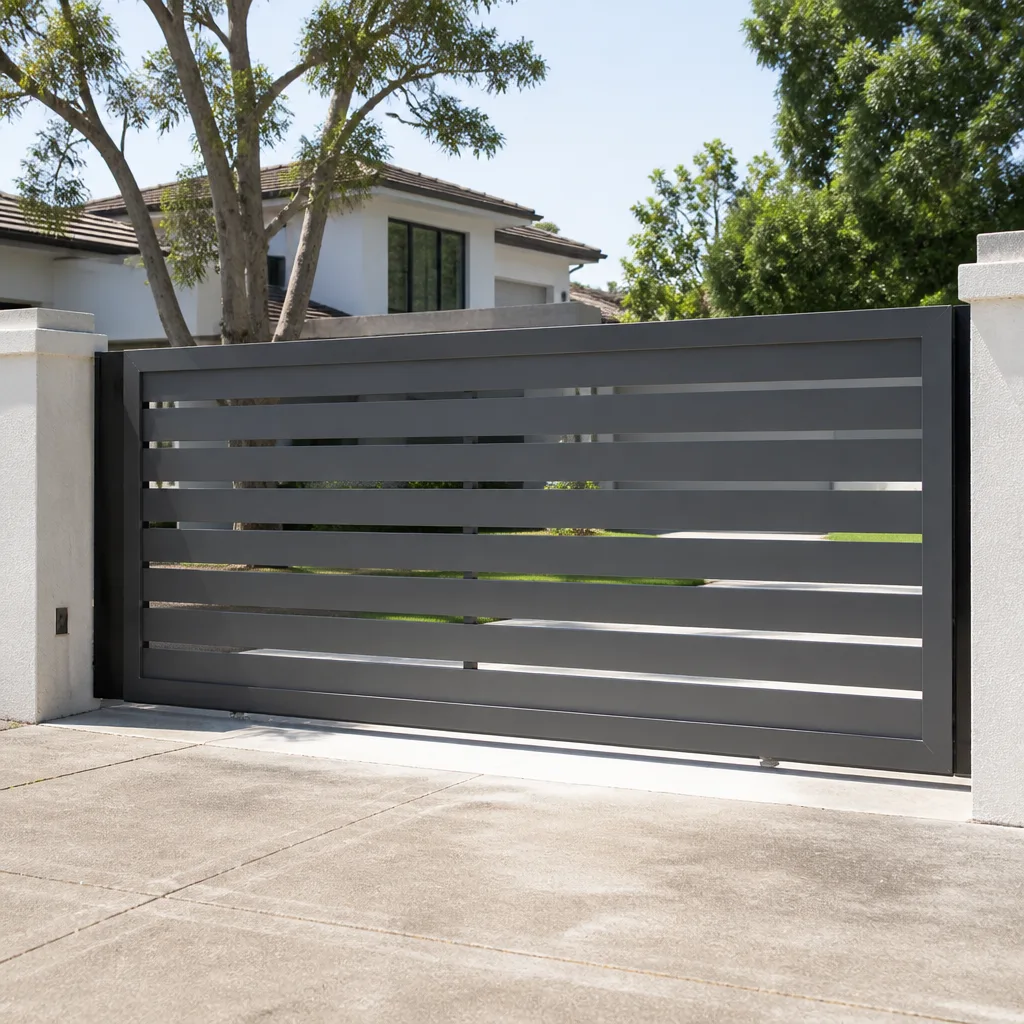 Sliding driveway gates
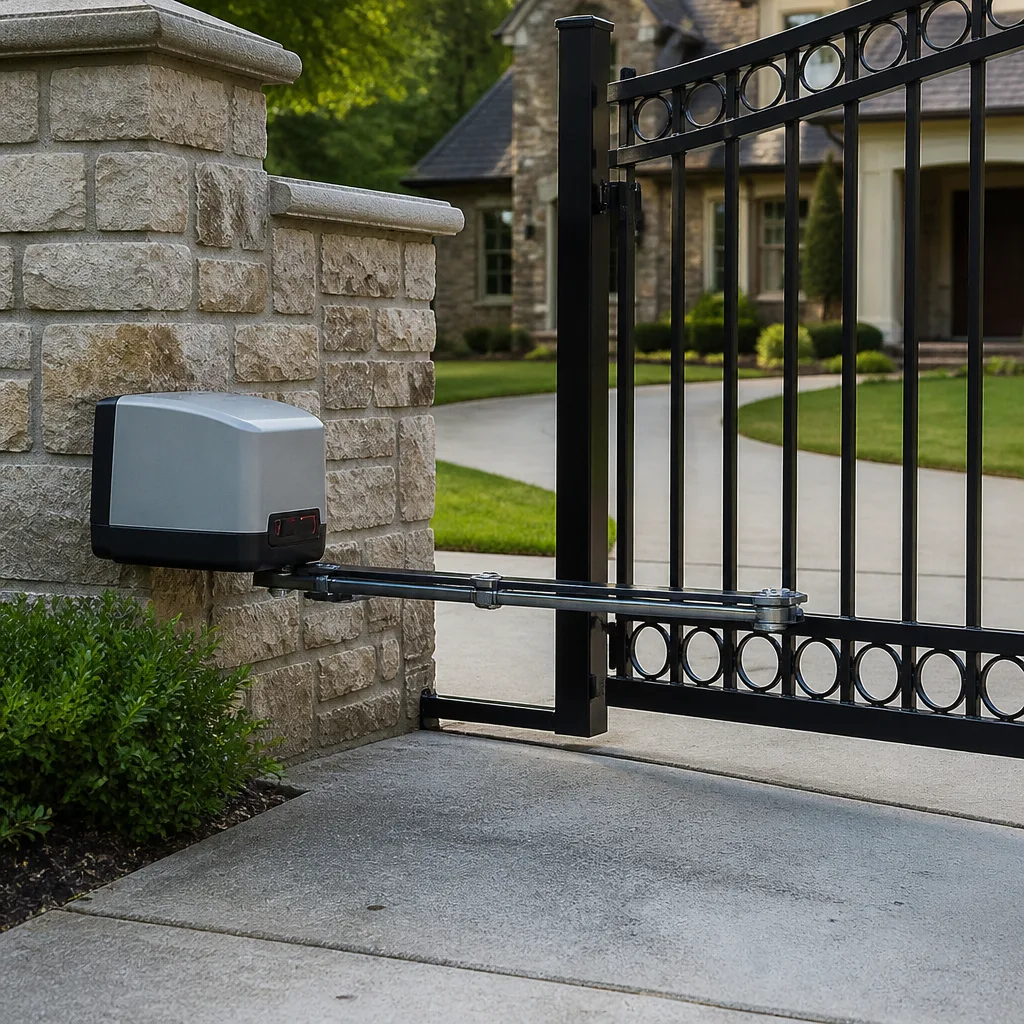 LiftMaster operators
Free on-site gate assessment - hinges, posts, and your LiftMaster or Nice gate operator checked before anything is quoted
The assessment is free and the quote is the invoice.
Get your free estimateThe Complete Guide to Gate Repair in Richmond
Most Richmond gate failures don’t start at the gate. They start six inches underground, where Piedmont clay shifts with every wet winter and dry summer, slowly pulling posts out of plumb until the whole system binds. By the time you notice the sag or the drag, the gate has been losing that fight for months. That’s also why so many “fixes” in this city don’t last: the symptom gets adjusted, the cause stays in the ground. This guide maps Richmond’s most common gate problems to their real local causes, walks through manual versus electric diagnosis, covers how LiftMaster, FAAC, and other systems fail here, and gives you a clear decision tree for repair, reinforce, or replace.
Quick Answer
Gate repair in Richmond usually comes down to one of two categories: mechanical problems on a manual gate (hinges, latches, sag, post movement) or electrical failures on an automated system (operator, control board, sensors, power). A knowledgeable specialist can tell which one you have within minutes of a site visit, and Richmond’s expansive clay soil means post and alignment issues show up here far more often than in cities with stable ground. The written estimate you get before work starts is what sets the final price.
Styles & brands we work with
- Wrought iron
- Wood & steel frame
- Farm & ranch
- Sliding driveway gates
- LiftMaster operators
Table of Contents
- Why Richmond Gates Fail Differently: Clay Soil and the Post Problem
- Manual Gate Problems vs. Electric Gate Failures: How to Tell Which You Have
- A Step-by-Step Diagnostic You Can Do Before You Call
- How LiftMaster, FAAC, BFT, and Other Systems Fail Differently
- HOA and Neighborhood Realities in Richmond’s Gated Communities
- Repair, Reinforce, or Replace: An Honest Decision Tree
- What Gate Repair Costs in Richmond
- The Seasonal Maintenance Calendar for a Richmond Gate
Why Richmond Gates Fail Differently: Clay Soil and the Post Problem
Richmond sits on Piedmont clay, and that single geological fact explains more gate problems here than any other variable. Clay absorbs water and expands in wet seasons, then contracts and cracks as it dries. A gate post set in that ground is being pushed and pulled in slow motion, season after season, and the result is a gate that gradually comes out of plumb.
Once a post leans even slightly, everything mounted to it goes out of alignment. Hinges bind. The gate drags at the latch side. A slide gate’s rollers ride up on the track. On an automated system, the operator keeps pushing a gate that no longer travels freely, which burns through motors and stresses the control board.
This is why re-hanging a sagging gate without addressing the post is a wasted repair. You can adjust hinges, shim the latch, and get the gate swinging smoothly again, but if the post is still moving, the problem comes back within a season or two. A proper fix in Richmond means checking post plumb and footing depth first, then correcting what the ground has done before touching the hardware.
Humidity plays its part too. Richmond summers are hard on wood gates, which swell and then dry and shrink, loosening fasteners and joints. Wooden gates in this climate need hardware checks more often than gates in dry climates do. Steel reacts to seasonal moisture with surface corrosion at welds and hinge points. If your gate was installed with shallow footings, the clay will find it out.
- Latch-side drag: usually a post that has moved, not a worn latch
- Gaps that open and close with the seasons: classic clay movement
- Operator that trips or reverses on a gate that used to run fine: binding from misalignment, caught by the safety system
- Rollers and tracks wearing unevenly: a slide gate that is no longer level
Manual Gate Problems vs. Electric Gate Failures: How to Tell Which You Have
Before you call anyone, knowing which category your problem falls into saves time and helps you describe it clearly. Manual and electric gates fail in fundamentally different ways, and the fix for one won’t touch the other.
Signs your problem is mechanical
- The gate is hard to push open by hand, or grinds somewhere along its travel
- The latch doesn’t catch, or the gate has dropped and won’t line up with the receiver
- Hinges are loose, bent, or showing wear
- A sag cable or brace has stretched or broken on a wide double gate
- The gate rubs the ground or the post at one specific point
Signs your problem is electrical
- The operator runs but the gate doesn’t move, or moves a few inches and stops
- The gate reverses for no visible reason (often a sensor or obstruction loop)
- The remote or keypad stopped working but the manual release works fine
- The operator is silent when commanded, or the board shows no lights
- Safety edges or photo eyes are damaged, misaligned, or triggering constantly
An automated gate can have both problems at once, and often does. A binding gate strains the operator until the board faults. That’s why electric gate repair starts with the mechanical side: a technician checks that the gate travels freely by hand before diagnosing the electronics. If the gate binds, no amount of board-level troubleshooting will fix it.
One safety note on anything involving the operator’s power supply or wiring: low-voltage control wiring is one thing, but line voltage at the operator and any work inside the control enclosure belongs to a trained technician. Don’t open that housing yourself.
A Step-by-Step Diagnostic You Can Do Before You Call
A few minutes of careful observation helps any technician diagnose faster and gives you a clearer picture of what you’re facing. This is a check-and-observe list, not a repair guide. Leave the tools in the shed for anything involving power or the operator housing.
- Release the operator and test the gate by hand. Every automated gate has a manual release. With the operator disengaged, push the gate through its full travel. If it binds, drags, or won’t stay where you leave it, you have a mechanical problem that needs fixing before the electronics will behave.
- Look at the posts, not the gate. Stand back and sight down the gate line. Does the hinge post lean? Is the latch post still vertical? A post out of plumb in Richmond almost always means clay movement, and that changes the repair.
- Check the obvious electricals. Is the operator getting power? Has a breaker tripped? Are the photo eyes or safety edges blocked, dirty, or knocked out of alignment? A leaf or a shifted sensor causes more “gate failures” than any board.
- Note exactly when it fails. Won’t open at all, opens but won’t close, reverses halfway, works from the keypad but not the remote. Each pattern points to a different part of the system.
- Write down the brand and model. If you can see the operator’s label, note it. Knowing it’s a LiftMaster or a FAAC before the call means the right parts get discussed on the first visit.
What you’re doing is separating symptoms from causes. A gate that reverses halfway might have a bad sensor, a binding hinge, or a control board interpreting a strain. The pattern tells a specialist where to start.
How LiftMaster, FAAC, BFT, and Other Systems Fail Differently
Gate operators aren’t interchangeable, and the brand on your system tells a technician a lot about where to look first. Our technicians work on nine major gate and operator brands, including LiftMaster, FAAC, BFT, Linear, Viking, Ghost Controls, DoorKing, Elite, and Mighty Mule. We know the quirks of each one, which cuts diagnostic time and reduces return visits. We’re independent and experienced with these brands rather than tied to any single manufacturer.
LiftMaster
LiftMaster’s residential and light-commercial operators are common on Richmond driveways. Their control boards and safety accessories are widely supported, but when a LiftMaster system starts reversing or refusing to close, the cause is often a safety sensor or a monitor board rather than the operator itself. Those parts are generally available, which keeps repairs straightforward.
FAAC
FAAC systems, common on swing gates and heavier residential installations, lean on control boards that are sensitive to power quality and moisture. Richmond’s humid summers can find their way into enclosures that aren’t sealing well, and board faults on FAAC systems often trace back to that. Diagnosing them properly means reading the board’s fault indicators, not guessing.
BFT
BFT operators show up on both slide and swing applications. Their electronics are capable but less forgiving of a gate that’s binding mechanically. A BFT system that keeps faulting often has a mechanical cause underneath, and fixing the gate’s travel is half the repair.
Linear
Linear systems are common on slide gates and property entrances, and their accessories – loop detectors, keypads, intercoms – are where many failures start. Loop detector problems in particular look like operator problems until you trace the signal.
Parts availability matters in Richmond. Common brands have local or regional parts channels, while less common operators can mean a wait. Knowing your brand before you call means the technician can tell you what to expect on timing rather than discovering it after the visit.
HOA and Neighborhood Realities in Richmond’s Gated Communities
Richmond has plenty of gated communities and HOA-managed entrances, and gate work in those settings sometimes takes an extra step. Understanding that structure helps you plan.
If your home sits inside a gated neighborhood, the gate at the entrance is usually community property managed by the HOA, not something individual homeowners can authorize repairs on. That means the approval process is a board or property manager decision, and the repair timeline often includes a second approval step after the initial diagnosis: the technician identifies the problem, the HOA reviews the estimate, and work is scheduled once approved.
Inside those communities, individual driveway gates are typically the homeowner’s responsibility, though some HOAs have rules about gate style, color, and operator type. Before replacing a gate or changing an operator, check your community’s architectural guidelines. It’s cheaper to confirm than to redo.
If your property is a single-family home outside an HOA, none of this applies, and you can schedule directly. For property managers handling multiple gates, knowing which are community entrances and which are unit-specific saves time on the first call.
Repair, Reinforce, or Replace: An Honest Decision Tree
The right answer depends on what’s actually failing. Here’s how we think through it.
Repair now
If the gate structure is sound, the posts are plumb, and the failure is a discrete component – a hinge, a latch, a sensor, a control board, an operator motor – repair is the clear choice. Hardware-level fixes are the most economical path, and on most systems the parts are available.
Repair and reinforce
When Richmond clay has moved a post out of plumb but the gate leaf itself is still structurally sound, the right move is to correct the footing and alignment, then re-mount and adjust. This is reinforcement, not replacement, and it addresses the actual cause. Skip this step and the same failure returns. A gate that has been re-hung on a moving post is a temporary fix, no matter how good the adjustment looked the day it was done.
Full replacement
Replacement makes sense when the gate leaf is failing structurally – rusted through, cracked, warped beyond adjustment – or when the operator is old, unsupported, and repair parts are hard to source. It also makes sense when the gate was installed wrong to begin with, with footings too shallow for Richmond soil or hardware mismatched to the gate’s weight. In those cases, patching it repeatedly costs more over time than starting correctly.
The honest threshold: if you’re looking at the third repair on the same gate in a couple of years, the problem is structural, not component-level, and it’s worth pricing a replacement alongside another repair. A free on-site estimate will tell you which side of that line you’re on.
What Gate Repair Costs in Richmond
Costs vary with the gate type, the failure, and the parts involved, but the structure of a fair estimate is predictable. The written estimate, agreed before any work begins, sets the final price.
- Diagnosis and site visit: included in the free estimate; the technician identifies the cause before quoting
- Mechanical repair (hinges, latches, adjustment): priced per job based on what the gate needs
- Post correction and realignment: priced per job, and often the fix that stops the cycle of repeat repairs
- Operator or control board replacement: priced per job with parts identified by brand and model
- Sensor, loop, or safety edge repair: priced per job; often the fastest fix on the list
- New gate installation: measured, ordered, and scheduled; quoted after a free on-site measure
What you should never accept is a price given over the phone without seeing the gate. Richmond’s soil means two identical-looking gates can need very different work, and a phone quote is a guess. Get the estimate in writing, confirm what it covers, and make sure the technician has checked the post before quoting a realignment.
For an exact quote on your gate, gate repair estimates are free. Call (866) 942-6565 and describe what the gate is doing; the more specific you are, the more useful the first conversation will be.
The Seasonal Maintenance Calendar for a Richmond Gate
Richmond’s four seasons put different stresses on a gate, and a little attention at the right time prevents most of the failures described in this guide.
- Early spring, after the wet season: check post plumb and sight down the gate line. This is when clay movement is most visible. Test the gate by hand with the operator released and note any new binding.
- Late spring, before summer heat: tighten hardware, check hinges for wear, and inspect wood gates for joints that have opened.
- Midsummer: check the operator’s safety systems – photo eyes and safety edges – and clear vegetation away from sensors. Humidity is high and wood gates may be binding where they swelled.
- Fall, before freeze-thaw: this is the critical check in Richmond. Confirm posts are stable, hardware is tight, and the gate travels freely. Freeze-thaw cycles are what finish off a post that’s already marginal.
- Winter: watch for ice in tracks and at latch points, and don’t force an operator through a frozen gate.
None of this requires tools beyond a wrench and a flashlight, and it’s all observation. Anything that involves the operator’s power, wiring, or the control enclosure should go to a technician.
Common Mistakes to Avoid
- Re-hanging a gate on a post that’s still moving. It looks fixed for a season, then fails again. In Richmond clay, the post is almost always part of the story, and checking it first saves the repeat visit.
- Forcing an electric gate that’s binding. Running the operator against a gate that drags wears the motor and stresses the board. Release it and fix the mechanical side first.
- Assuming a reversing gate is an electrical problem. Reversal is a symptom; the cause can be a sensor, a bind, or a board. Diagnose before replacing parts.
- Buying a replacement operator before checking the gate. A new operator on a misaligned gate will fail the same way. Fix the gate, then the electronics.
- Skipping the fall check. Freeze-thaw is what breaks marginal posts in this climate, and a fall inspection catches the problem before winter does.
- Ignoring HOA approval in a gated community. Getting work approved after the fact can mean redoing it. Confirm who authorizes the repair before scheduling.
- Hiring a generalist for an electric gate. Control boards, loop detectors, and intercoms are a different discipline from fence and gate hardware. A specialist recognizes the brand and the failure pattern on sight.
See the difference
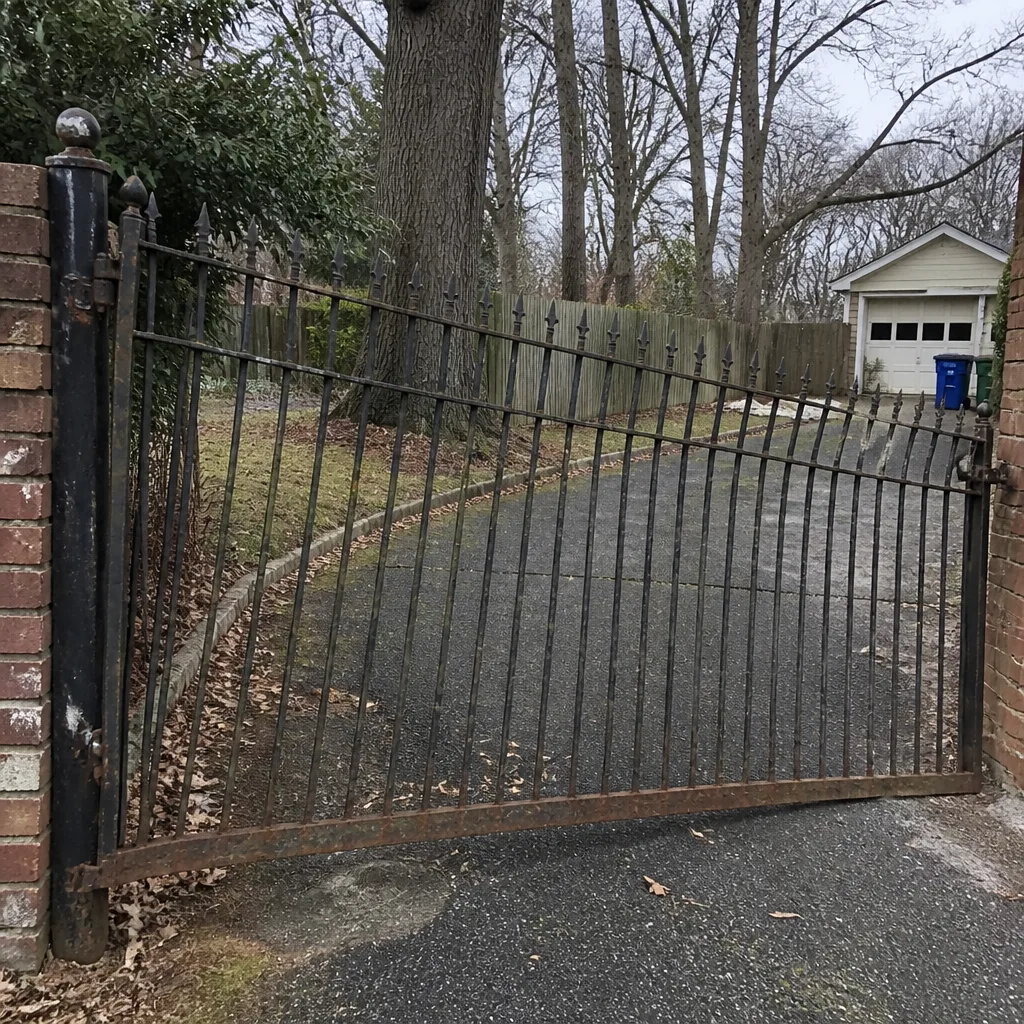 Before
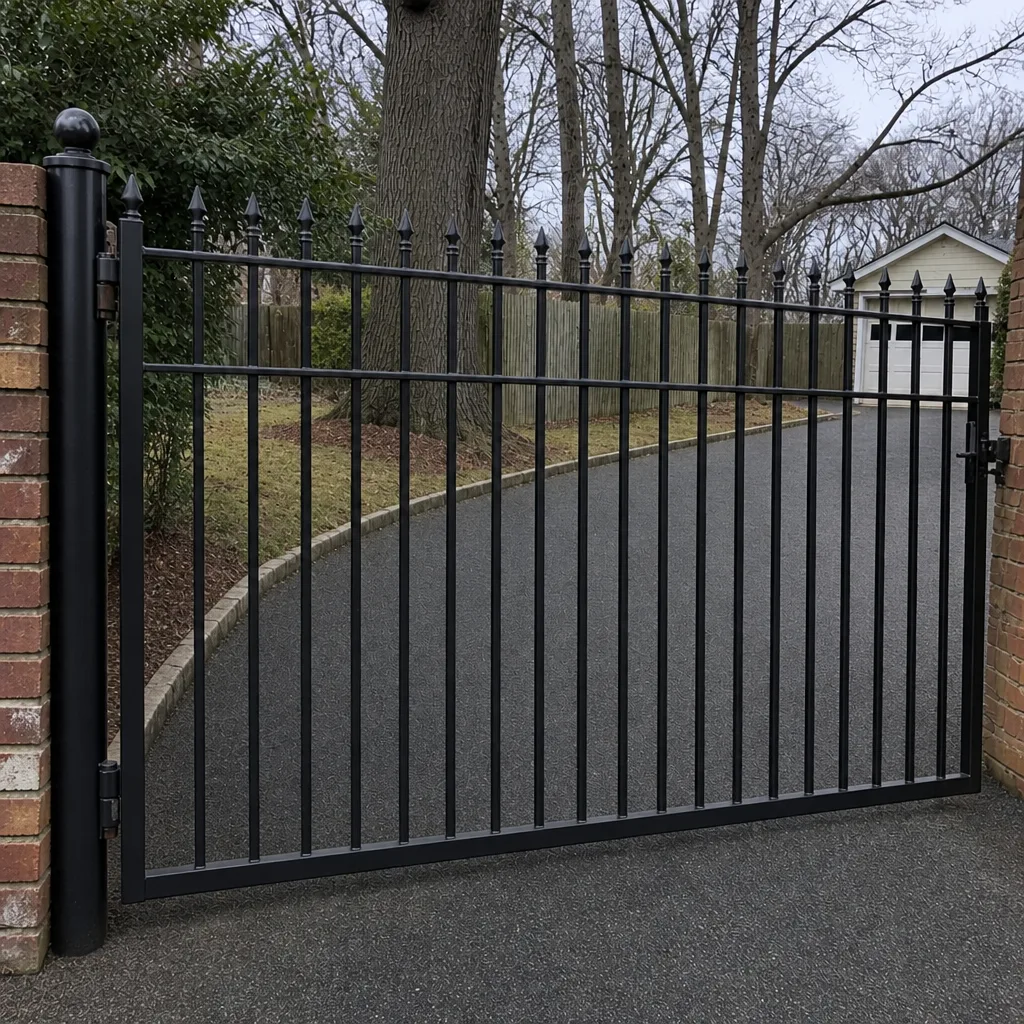 After
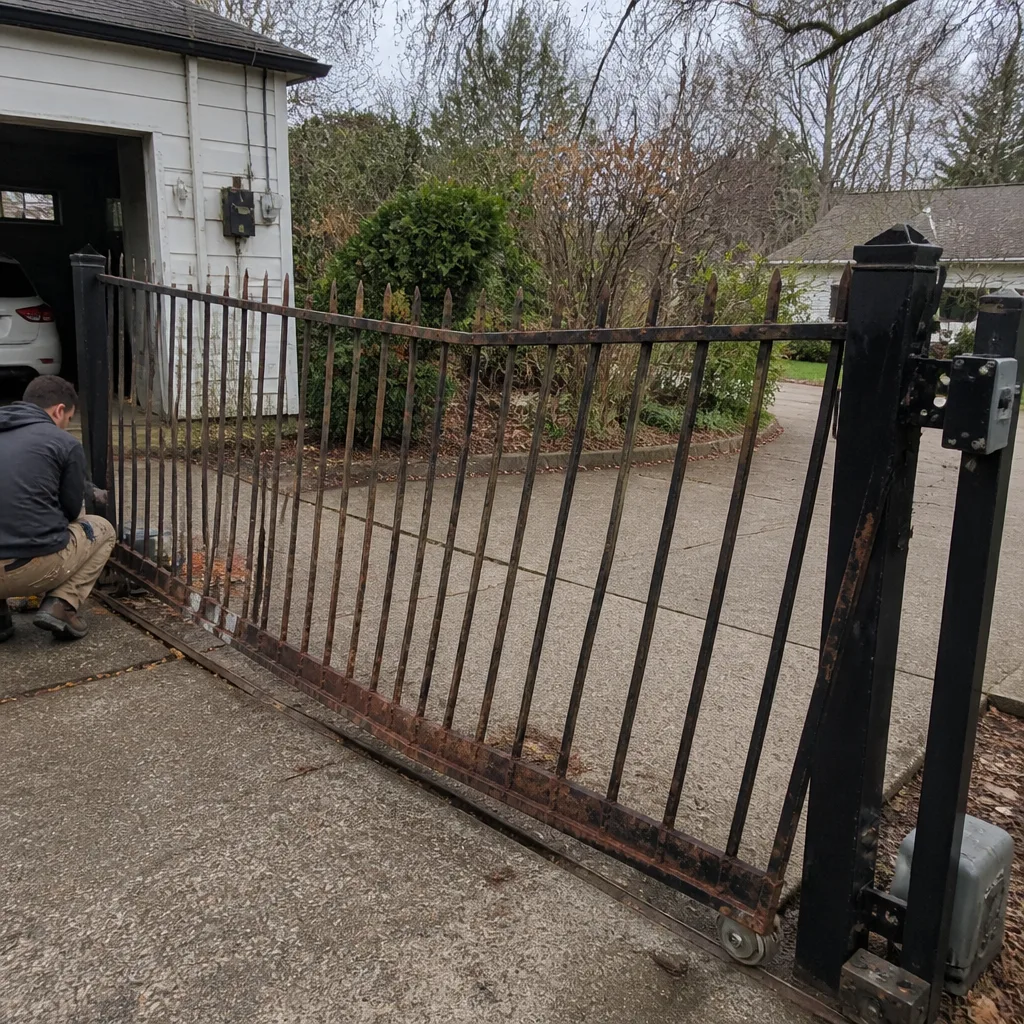 Before
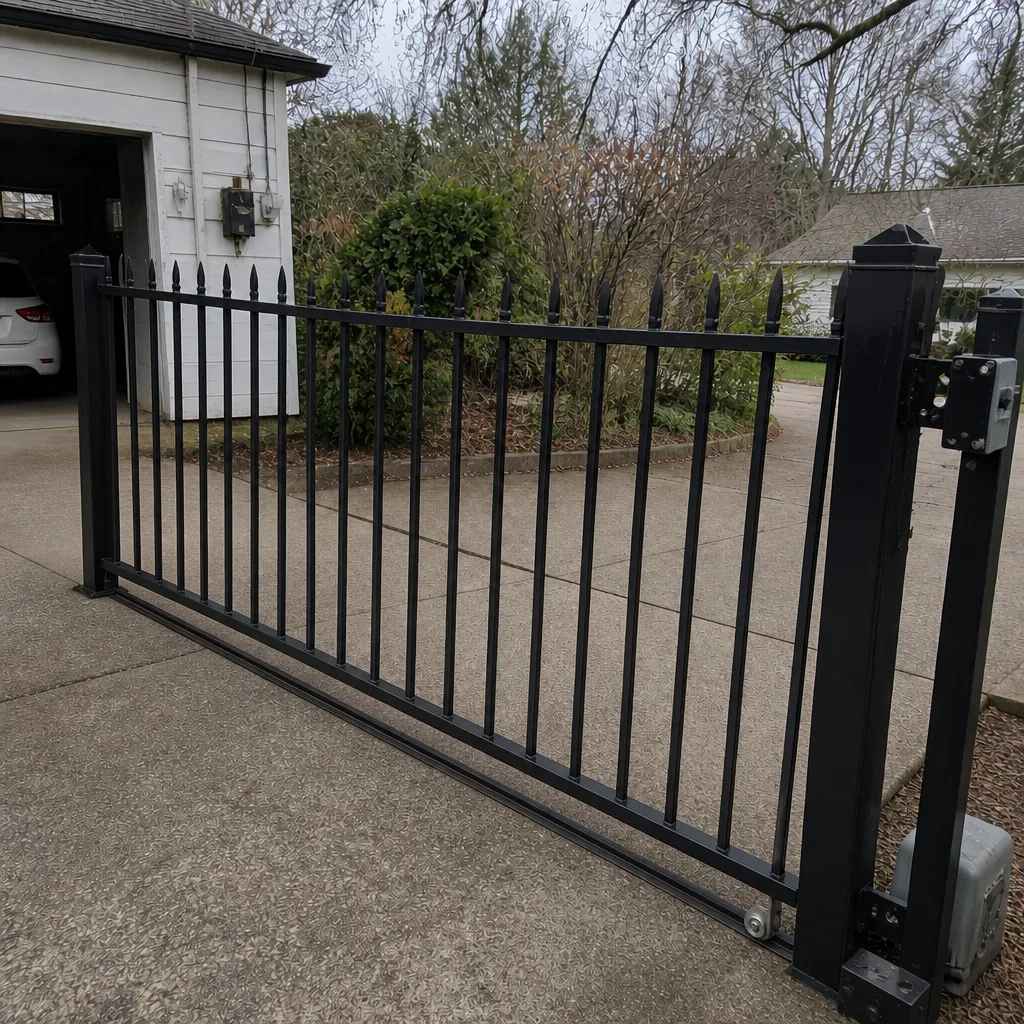 After
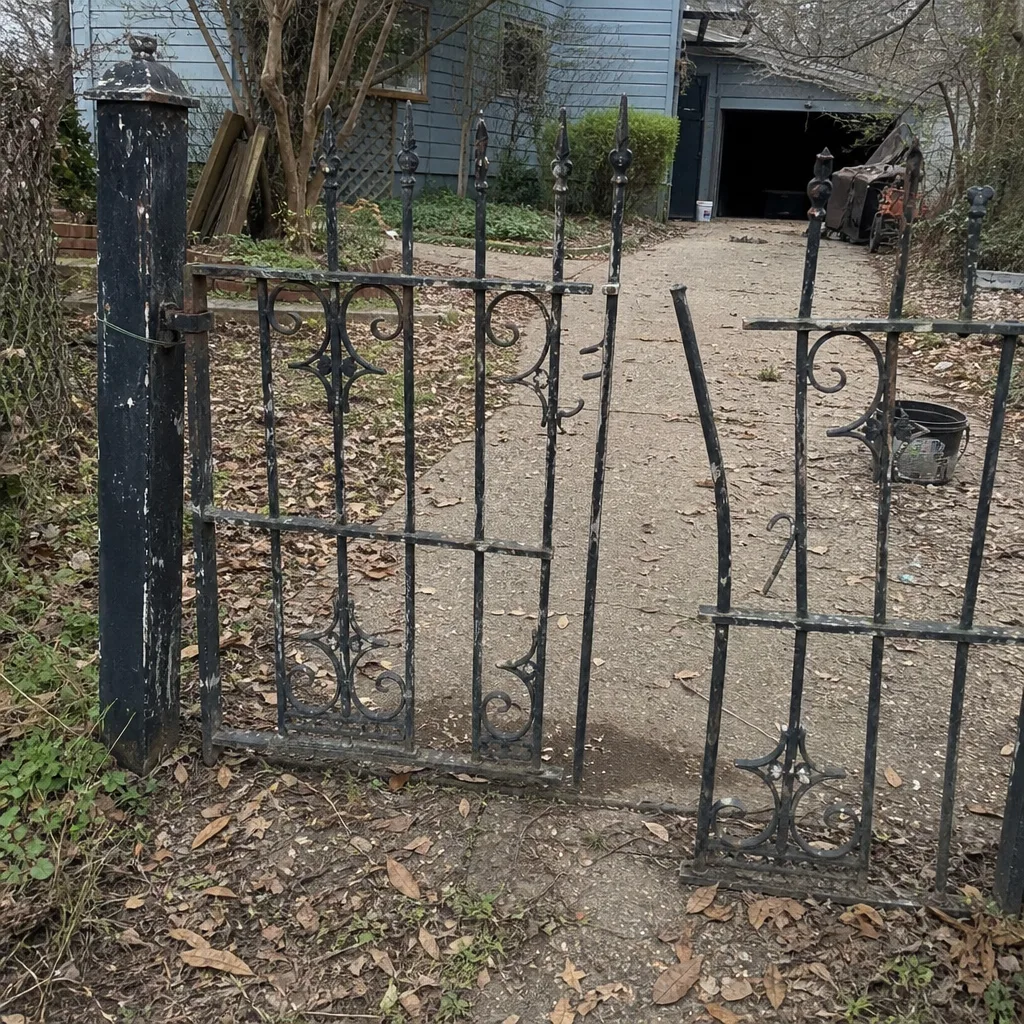 Before
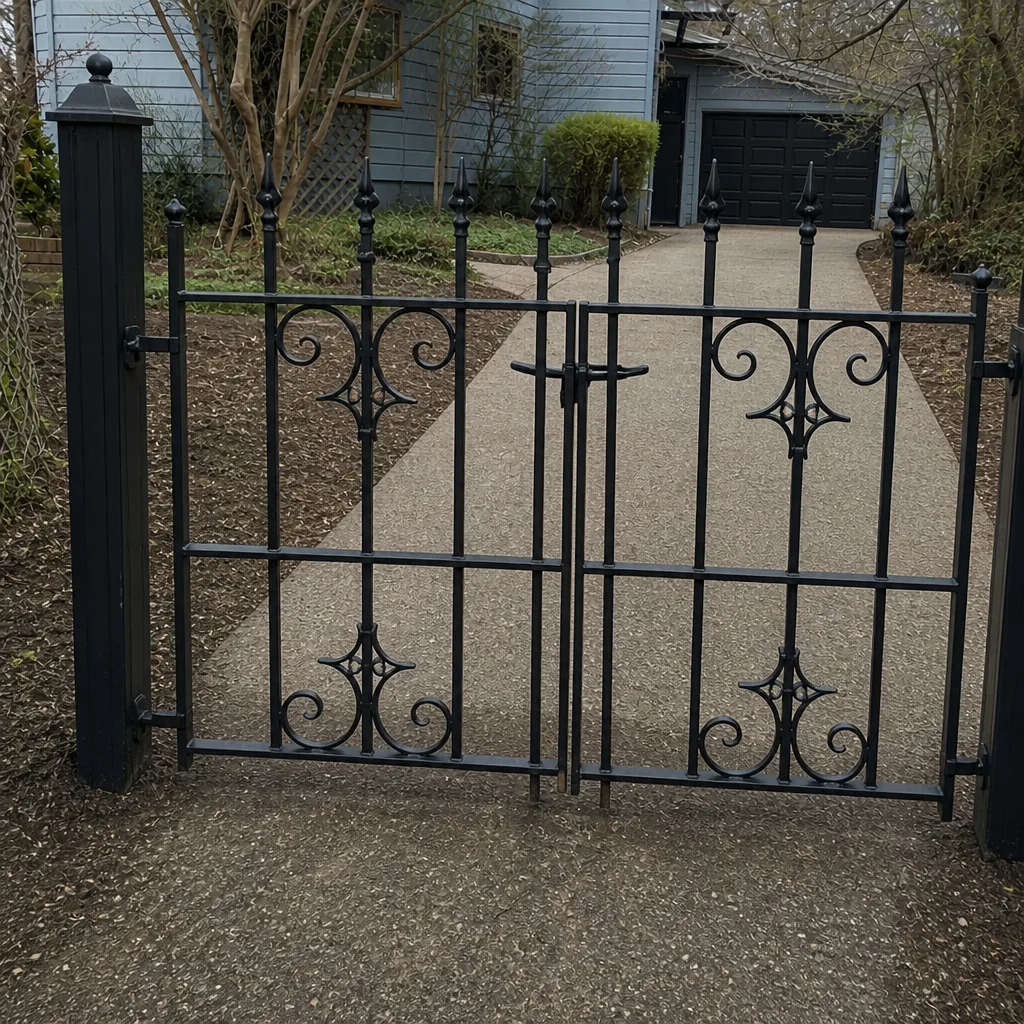 After
When to Call a Professional
Call a specialist when the gate binds or drags and adjusting the hinges doesn’t hold, when the operator is silent or the control board is faulting, when a post is visibly leaning, or when a safety edge or photo eye isn’t behaving. Those are the situations where guesswork costs more than a diagnosis. Anything involving the operator’s line voltage, the control enclosure, or a heavy gate that could fall or swing uncontrolled belongs to a trained technician, not a weekend project. We handle Richmond Gate Repair across the city and the surrounding area, and we work on both manual and electric systems. Richmond Gate Repair offers free estimates in Richmond – call (866) 942-6565. We answer 24/7, with fast dispatch from 7am to 7pm.
Frequently Asked Questions
Many mechanical repairs can be handled the same day once we’ve seen the gate, while electric failures that need a specific part may take longer if the part isn’t on hand. Call (866) 942-6565 with the brand and the symptoms, and we’ll tell you what’s realistic. We answer 24/7, with fast dispatch from 7am to 7pm.
Piedmont clay movement is almost always the cause. The soil expands and contracts seasonally and slowly pulls posts out of plumb, and until the footing is corrected, realignment won’t hold. That’s why a proper repair checks post plumb before adjusting hardware. Call (866) 942-6565 for a free estimate.
Release the operator and push the gate by hand. If it binds or drags, the problem is mechanical; if it moves freely but the operator won’t run it, the problem is electrical. A gate can have both at once, and the mechanical side gets fixed first. Call us and we’ll help you narrow it down.
Yes. Our technicians work on nine major brands, including LiftMaster, FAAC, BFT, Linear, Viking, Ghost Controls, DoorKing, Elite, and Mighty Mule. We’re independent and experienced with each system’s failure patterns. Call (866) 942-6565 with your brand and model for an exact quote.
If the gate is a community entrance, yes, the HOA typically authorizes the work, which adds an approval step before scheduling. Individual driveway gates inside the community are usually the homeowner’s call, but check the architectural rules first. We can provide a written estimate for the board to review.
No. A new operator on a binding gate will strain and fail the same way the old one did. The gate has to travel freely by hand before any operator work makes sense. Fix the alignment and hardware first, then evaluate the electronics.
The Bottom Line
Most gate problems in Richmond trace back to the ground, not the gate. Piedmont clay moves with the seasons, posts follow, and everything mounted to them falls out of line. Fix the post and the alignment, and most mechanical problems stay fixed. Know whether your failure is mechanical or electrical before you call, check the brand so the right parts get discussed on the first visit, and remember that a smart decision tree – repair, reinforce, or replace – always starts with an honest look at the post. For an exact quote, call (866) 942-6565. Estimates are free, the price is agreed before any work starts, and we answer 24/7 with fast dispatch from 7am to 7pm, Sunday through Friday. You can also learn more about our Richmond service area.
Written by the team at Richmond Gate Repair.