
Last updated November 16, 2026
 Wrought iron
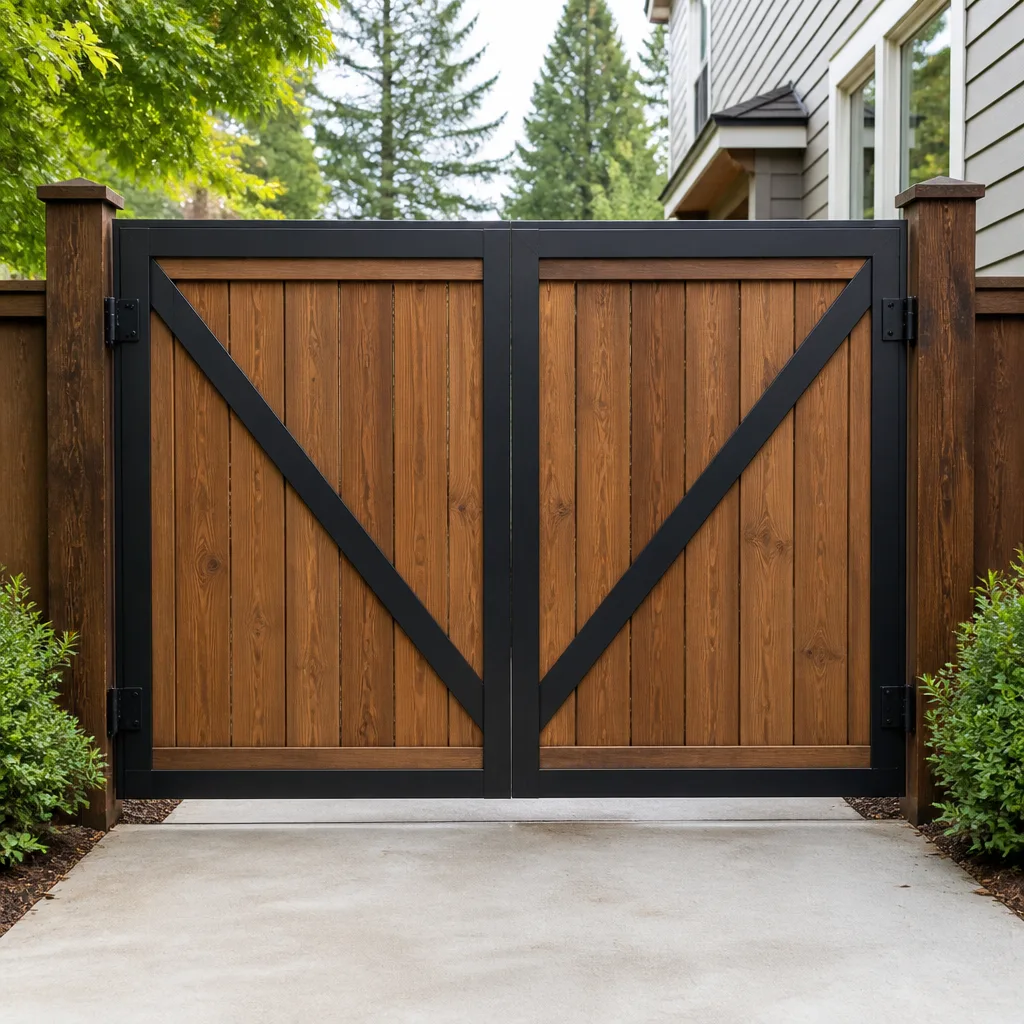 Wood & steel frame
 Farm & ranch
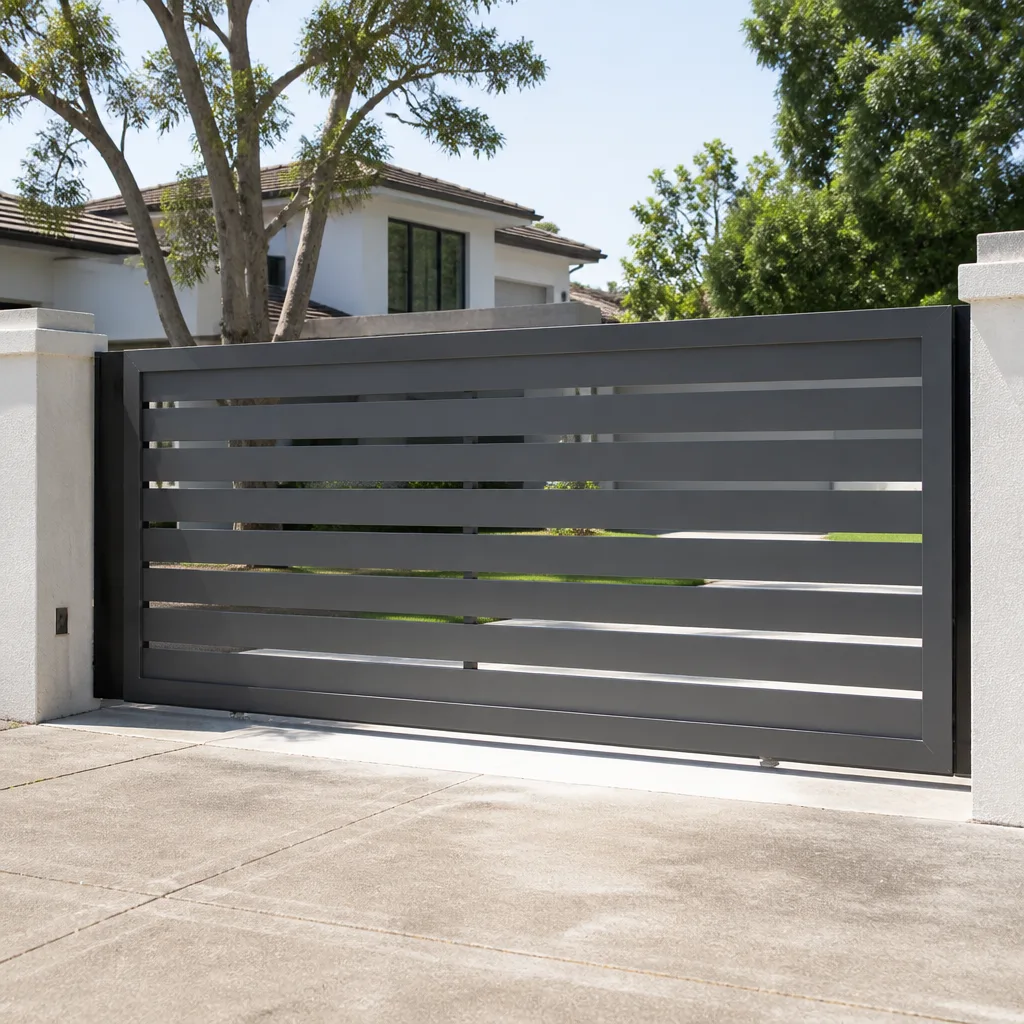 Sliding driveway gates
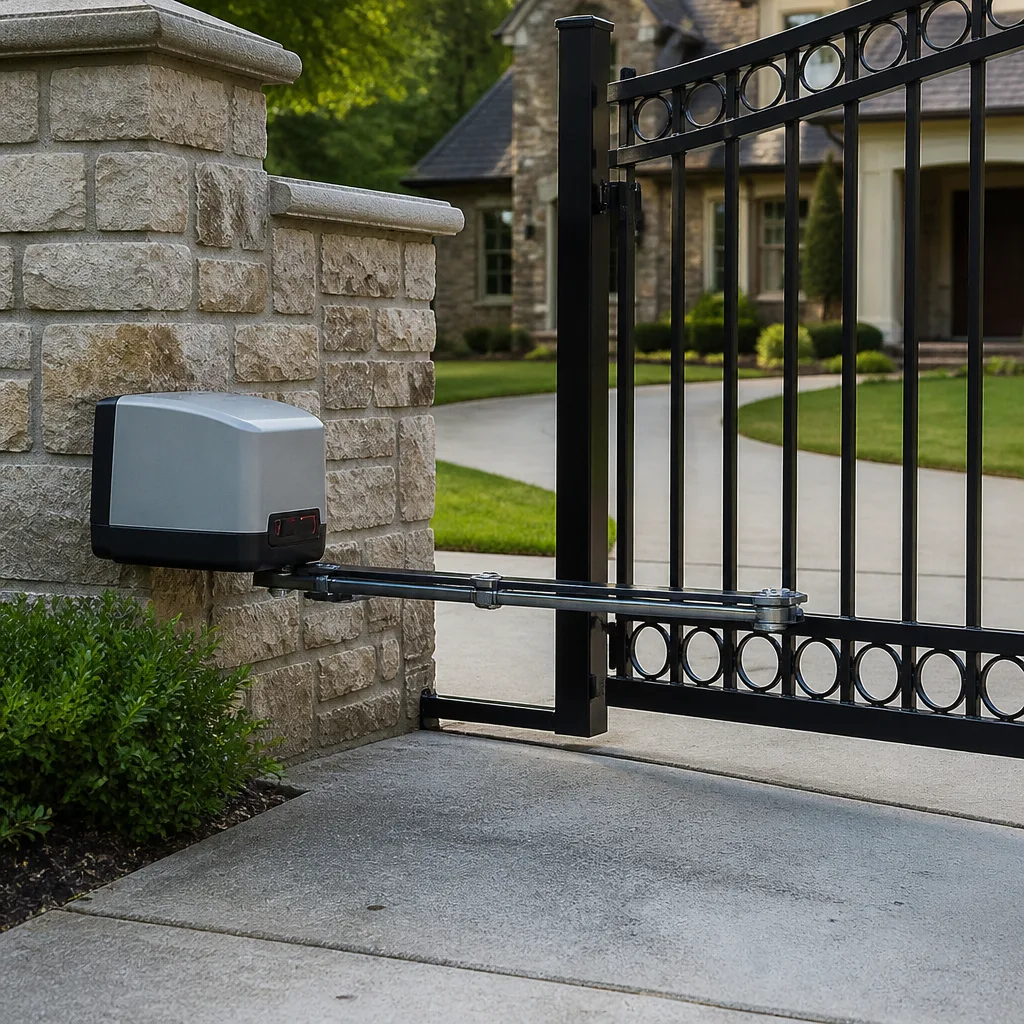 LiftMaster operators
Free on-site gate assessment - hinges, posts, and your LiftMaster or Nice gate operator checked before anything is quoted
The assessment is free and the quote is the invoice.
Get your free estimateGate Repair Permits, Codes & Inspections in Richmond, VA: What You Need to Know
Here’s the part most Richmond homeowners get wrong: they assume a permit is required to fix a gate that won’t close, then stall on a simple repair for weeks. Usually it isn’t. But the reverse happens just as often. Someone bolts an automatic operator onto a manual gate, adds a keypad, and never thinks about the paperwork – then a buyer’s inspector flags it years later. The line between a repair and a regulated alteration isn’t obvious, and it doesn’t run where you’d expect. This guide walks through how Richmond, Henrico, and Chesterfield handle gate work, what UL 325 means for your liability, and when your HOA gets a vote too. You’ll finish knowing what needs a permit, what doesn’t, and how to avoid a mess at resale.
Quick Answer
In most of Richmond, repairing a gate or swapping a failed operator motor generally does not require a building permit, but converting a manual gate to electric power, running new electrical service to an operator, or relocating a gate post usually does. The rules are set by the Virginia Uniform Statewide Building Code and administered differently by Richmond City, Henrico County, and Chesterfield County, so the same project can land on either side of the line depending on your address. When in doubt, ask the locality’s building department before work begins – a short phone call now beats a title problem at closing.
Styles & brands we work with
- Wrought iron
- Wood & steel frame
- Farm & ranch
- Sliding driveway gates
- LiftMaster operators
Table of Contents
- Repair vs. Alteration: Where the Virginia Code Draws the Line
- How Richmond City, Henrico, and Chesterfield Differ
- UL 325 and Why It Matters Even Without a Permit
- HOA Architectural Review vs. Municipal Permit
- What Happens at a Home Sale When Work Wasn’t Permitted
- What a Gate-Related Inspection Actually Looks Like
- Projects That Almost Always Require a Permit in Richmond
- A Step-by-Step Path Through the Process
Repair vs. Alteration: Where the Virginia Code Draws the Line
The Virginia Uniform Statewide Building Code treats maintenance and repair differently from alteration and new construction. A repair restores something to its original working condition. An alteration changes the system itself – its power source, its structure, or its location. The permit question follows that distinction closely in every jurisdiction around Richmond.
Think of it this way: if your LiftMaster operator stops responding and we replace the control board or the motor, the gate system is still the same system. No permit. If you have a manual swing gate and you want it to open from your car, that’s a new powered system with a new electrical supply, and the locality will almost certainly want eyes on it.
Common repairs that typically don’t require a permit:
- Replacing a worn hinge, roller, or latch on a manual gate
- Swapping a failed operator motor in an existing, previously permitted system
- Repairing or replacing a control board
- Adjusting or replacing a safety loop detector at the same location
- Tightening or replacing a sagging gate frame
- Replacing a battery backup unit on an existing operator
Common alterations that typically do require a permit:
- Adding an automatic operator to a previously manual gate
- Running new electrical service or a new circuit to an operator
- Relocating a gate post or changing the gate’s opening width
- Installing a new gate and operator combination where none existed
- Adding a keypad, intercom, or card reader as part of a powered entry system
In our experience across the areas around Richmond, the power run is the single item that tips a project across the line. If a licensed electrician has to open a panel or pull a new circuit, the locality cares. If we’re simply making an existing powered gate work again, the locality usually doesn’t.
How Richmond City, Henrico, and Chesterfield Differ
Virginia sets one statewide code, but the locality administers it, and the three main jurisdictions around Richmond each have their own habits. Knowing which one you’re in matters.
Richmond City
The city’s building department handles permits through an online portal and generally classifies automatic gate installations as accessory structures when they’re freestanding, which is often a simpler review path than a full structure permit. If the gate is attached to a dwelling or a wall, expect it to be reviewed as part of the structure. Corner-lot properties carry an extra wrinkle: if the gate sits in a sight-triangle at the intersection, the post location may be reviewed separately, and moving a post can trigger a zoning review beyond the building permit.
Henrico County
Henrico tends to focus squarely on the electrical side. A freestanding gate with an operator on an existing circuit often gets a lighter review, while a new power run requires an electrical permit and inspection. If you’re adding an operator to a closed-loop driveway or a gated community entrance, expect a conversation about the electrical permit even if the structure itself is exempt.
Chesterfield County
Chesterfield’s approach is similar to Henrico’s in emphasizing the electrical side, with a tendency to treat full driveway gate and operator installations as a combined review when they involve new construction at the entrance. If a gate is added as part of a larger site improvement – a new driveway or a new outbuilding – it typically gets swept into that project’s permit.
None of this is set in stone, and individual reviewers read the code differently. Which is exactly why the right move, before any significant gate project in Richmond, is a quick call to whichever department has jurisdiction over your address. Ask specifically, “Does adding an operator to an existing manual gate require a permit here?” and get the answer from the source.
UL 325 and Why It Matters Even Without a Permit
UL 325 is the safety standard that governs automatic gate operators in the United States. It covers the operator’s design and requires safety devices to prevent entrapment – typically photo-eye sensors, safety edges, or loop detectors. Every major brand we work with, from FAAC to Elite, designs its equipment to meet this standard, but a compliant operator installed without its safety devices is still non-compliant in practice.
Here’s the part that catches people: a permit and UL 325 compliance are two different questions. If your gate installation didn’t require a permit under the locality’s rules, that doesn’t mean a safety requirement disappeared. When a gate is installed without functioning safety edges or photo-eyes, the exposure is real. A gate that closes on a child, a pet, or a delivery driver’s car creates a liability that doesn’t care whether the paperwork was correct.
What we check on every electric system we touch:
- Photo-eye sensors aimed correctly and free of obstruction
- Safety edges with an intact, tested circuit
- Loop detectors that reliably sense both vehicles and pedestrians
- Operator force settings calibrated to trip on obstruction
- Manual release that works when the power is out
- Warning signage visible from both sides of the gate
If your gate is powered and you’ve never had these checked, an on-site estimate is a low-cost way to find out where you stand. We diagnose the full system – control board, detection, motor – not just the part that’s visibly broken. You can read more about what that service involves on our electric gate repair page.
HOA Architectural Review vs. Municipal Permit
A municipal permit and an HOA architectural approval are two separate processes, and in Richmond’s newer subdivisions and gated communities, they often run at the same time. The city or county cares about codes and safety. The HOA cares about appearance, setbacks, and consistency with the neighborhood – and a valid county permit doesn’t override an HOA rule.
If you’re replacing a gate with something visually identical, HOA approval is often unnecessary. If you’re changing the style, color, height, or material, expect architectural review. If you’re adding automation to a manual gate, review requirements vary widely. A utility cabinet for the operator, a keypad pedestal, or a new trench line for power can all fall within HOA jurisdiction even when they’re exempt from code permits.
- Check your HOA’s design guidelines before you order anything.
- Submit the architectural request with a drawing or photo, in whatever form your HOA requires.
- Pull the municipal permit in parallel if the electrical or structural work calls for it.
- Do not begin work until both are in hand.
- Keep copies of both approvals with your home records for later.
Getting the sequence wrong is the most common source of delays we see. Homeowners who start with the HOA often find out weeks later that the power run also needed a county electrical permit, and vice versa. Doing the two reviews in parallel saves time and headache.
What Happens at a Home Sale When Work Wasn’t Permitted
Unpermitted gate work rarely causes problems until you sell. Then it becomes a paper trail problem that can delay closing, because buyers and their agents have learned to ask about unpermitted improvements on the disclosure form.
What usually surfaces: an automatic operator installed on a manual gate with no permit on record, a keypad entry added without inspection, or a gate post relocated without approval. None of these are catastrophic. All of them create a negotiation point. Buyers may ask the seller to obtain a retroactive permit, reduce the price, or escrow money for remediation. In most cases the fastest path is to resolve it before listing.
The practical remediation path:
- Get a written record of what was installed: brand, model, and any documentation from the original installer.
- Call the locality’s building department and ask whether a permit was required at the time of installation.
- If required, ask about a retroactive permit process – typically a permit application plus an inspection of the existing work.
- Have a gate specialist inspect the system for UL 325 compliance before the county inspection, so any safety gaps are corrected first.
- Complete any needed remediation, then obtain the final inspection sign-off and keep it with the property records.
The good news: most localities around Richmond are practical about this. If the work is sound and the safety systems are functional, they’ll permit the existing installation and close it out. The problem is only a problem when it’s left undiscovered until the buyer’s inspector flags it and there’s no time left before closing.
If you’re preparing to sell and aren’t sure whether your gate was ever permitted, we can inspect the system and tell you what we see. That’s one of the reasons people call Richmond Gate Repair before listing – a written assessment of the gate is a much easier conversation than an inspector’s surprise. Call (866) 942-6565, and we’ll set up a free estimate.
What a Gate-Related Inspection Actually Looks Like
A county gate inspection, when required, usually happens in two passes. The first is the rough-in inspection after the electrical work is complete but before anything is covered over. The second is the final inspection once the operator is installed, powered, and functioning with its safety devices in place. The inspector is checking code compliance, not aesthetics.
What inspectors typically look at:
- Electrical work performed by a licensed electrician, with a visible disconnect
- Grounding and bonding of the operator and any metal structure
- Photo-eye sensors positioned to detect pedestrian and vehicle presence
- Safety edges wired and tested
- Operator’s manual release operating as designed
- Post footings at the correct depth for the gate’s weight
- Warning signage present
The inspections that fail most often are the ones where the operator was wired by the gate installer instead of a licensed electrician. In Richmond and the surrounding counties, the electrical work is a distinct scope, and getting that division right from the start saves a re-inspection.
Our role in this picture: we handle the gate and operator side – install, adjust, verify safety devices, and stage the system so it’s ready for the electrician and for the county. We’re not the electrician, and we don’t pretend to be. What we know deeply is the gate itself, and every major operator brand you’re likely to own. Whether your gate won’t open, won’t close, or was never installed right, that’s the part we fix. For routine issues that don’t involve permits, our gate repair service covers both manual and powered systems. Our technicians have up to 12 years of experience across the nine brands we work on – LiftMaster, FAAC, BFT, Linear, Viking, Ghost Controls, DoorKing, Elite, and Mighty Mule.
Projects That Almost Always Require a Permit in Richmond
Across Richmond City, Henrico, and Chesterfield, certain projects land in the permit column with enough consistency to plan around. If your project is on this list, budget time for the review and inspection before work starts.
- Converting a manual gate to an electric operator. This is the most common one, and the one that surprises people most. A new powered system with a new circuit is treated as an alteration to the property’s electrical service, not a repair.
- Running new electrical service to a gate location. Any new trench, conduit, or circuit requires an electrical permit and inspection.
- Relocating a gate post or changing the opening width. Structural changes hold.
- Installing a new gate and operator where none existed. New construction on the property’s entry point.
- Adding a permanent keypad or intercom pedestal wired to the property. The wiring is the trigger.
- Building a gate into a new fence line or wall. That’s a new structure, and the building department wants the drawings.
What almost never needs a permit in the Richmond area: replacing a motor in an existing permitted system, repairing a hinge, replacing a control board, adjusting a sensor, or resetting a loop after a driveway reseal. If the system and its power source stay where they are, the work is typically maintenance.
A Step-by-Step Path Through the Process
If you’re adding automation to a manual gate, adding a new powered gate, or moving a gate post in Richmond, this is the sequence we’d recommend – whether you work with us or anyone else.
- Call the jurisdiction. Ask whether your specific project requires a permit. Note the reviewer’s name and ask for the answer in writing if you can. Richmond City, Henrico, and Chesterfield each have a building department you can reach by phone or online portal.
- Get a written on-site estimate. Any gate project deserves a written scope – what’s being installed, where the power comes from, what safety devices are included. This document becomes part of your permit application and your home records.
- Request HOA approval if applicable. Do this early. HOA review can run longer than municipal review.
- Schedule the work. Have the licensed electrician complete the power run first, then have the gate and operator installed and calibrated.
- Coordinate the rough-in inspection. The electrical work is inspected before it’s covered.
- Final inspection. Once the operator and safety devices are installed and functional, the final inspection closes the permit.
- Keep the paperwork. Final inspection sign-off, operator manual, and any safety device test records. Attach them to your property records.
In our experience, the projects that go smoothly are the ones where the homeowner calls early – before they’ve ordered equipment or scheduled a weekend installation. Permit offices are used to the calls. It’s a short conversation and it clarifies everything downstream.
Common Mistakes to Avoid
- Assuming automation is exempt because the gate itself stays. Adding an operator to a manual gate changes the system’s power source and requires the county’s attention. If your gate was manual last month and powered this month, plan for the review.
- Skipping the electrician. Some installers wire operators themselves without a license. In Virginia the electrical side is a distinct scope, and a county inspector will flag unpermitted electrical work even if the gate itself is code-compliant.
- Overlooking HOA approval when the county permit is fine. An HOA can require you to remove work that meets code but doesn’t match neighborhood standards. Both approvals matter.
- Ignoring UL 325 safety edges once the inspection is done. The safety devices protect people after the paperwork is finished. Their absence is a real liability even if the permit was valid.
- Relocating a corner-lot gate post without a zoning check. Corner lots in Richmond, Bon Air, and Short Pump sometimes carry sight-triangle restrictions that a gate post can intrude on. Ask before you dig.
- Not keeping the final inspection paperwork. When you sell, the buyer’s agent will ask. A missing file that could be in a drawer is a slow negotiation.
- Doing gate work on a Saturday expecting the county to resolve issues afterward. Permit offices are closed Saturday, so any problem gets punted into the next opening. Plan the work for a Sunday through Friday window when the office is reachable.
See the difference
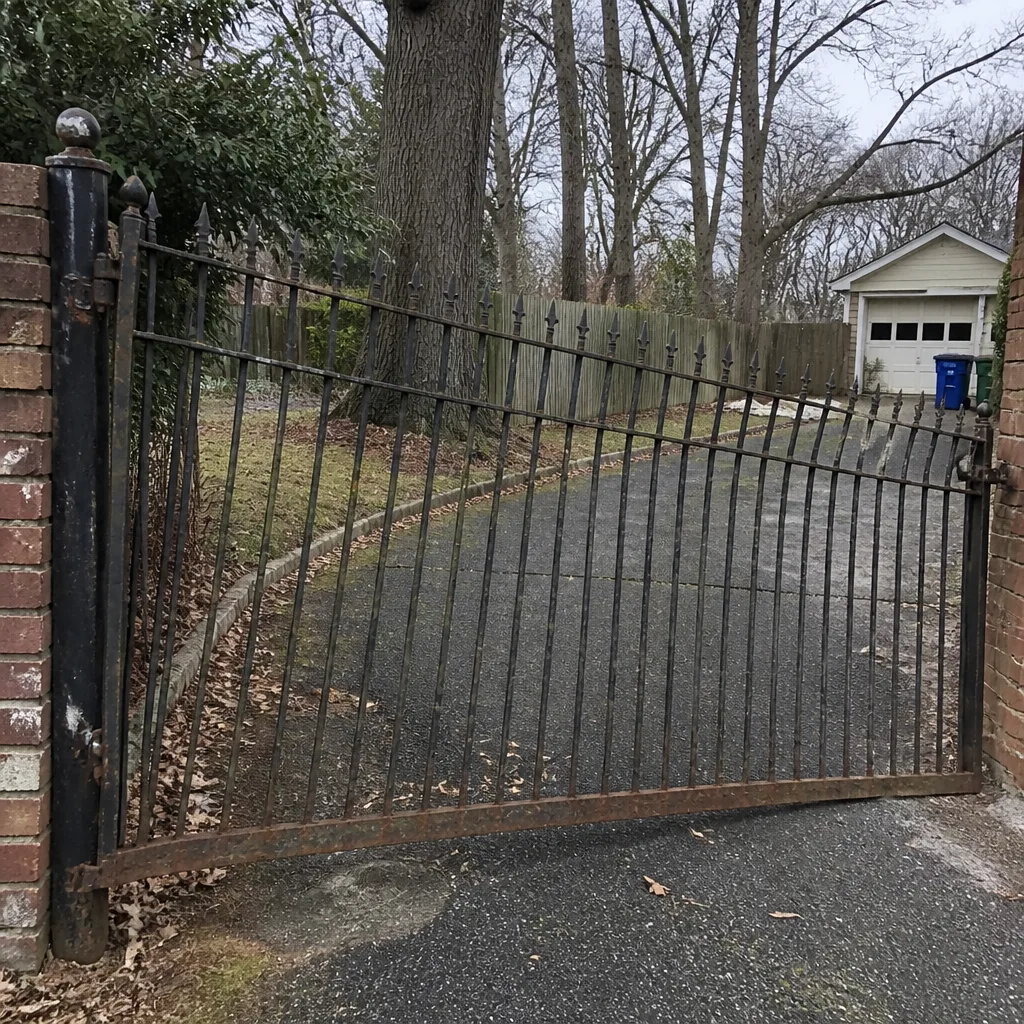 Before
 After
 Before
 After
 Before
 After
When to Call a Professional
If your gate has failed a county inspection, if you’re adding automation to a manual gate and not sure where the permit line sits, if your HOA is asking for drawings you can’t produce, or if you’re preparing to sell a Richmond property with a powered gate that may not have been permitted – get a specialist’s eyes on it before you spend money on a fix. General fence and handyman companies diagnose gates occasionally. We work on gate systems every day, across nine brands. Richmond Gate Repair offers free estimates in Richmond – call (866) 942-6565. We answer 24/7. Fast dispatch from 7am to 7pm, Sunday through Friday.
Frequently Asked Questions
In most cases, no. Replacing a failed motor, control board, hinge, or safety sensor in an existing system is treated as maintenance and generally doesn’t require a building permit in Richmond City, Henrico, or Chesterfield. Adding an operator to a previously manual gate or running new electrical service does require a permit. When the scope is unclear, call your jurisdiction’s building department before work starts. Call (866) 942-6565 for an on-site assessment – estimates are free.
Usually yes. Adding an automatic operator to a manual gate is treated as an alteration, not a repair, because it introduces a new powered system and typically a new electrical supply. Expect an electrical permit and inspection in Richmond and the surrounding counties. A gate specialist can install and calibrate the operator, and a licensed electrician handles the power run. Call (866) 942-6565 to schedule a free estimate before you order equipment.
UL 325 is the safety standard that governs automatic gate operators in the United States. It requires entrapment-prevention devices such as photo-eye sensors, safety edges, and loop detectors. A powered gate that lacks functioning safety devices creates real liability regardless of whether a permit was required. We verify safety devices on every electric gate we service. Call (866) 942-6565 for a free estimate.
Often yes, and they’re separate approvals. The municipal permit covers code and electrical safety; the HOA architectural review covers appearance, setbacks, and neighborhood consistency. A valid county permit doesn’t override HOA rules. Submit both in parallel to avoid delay. Call (866) 942-6565 if you need documentation of the gate scope to submit with your HOA application.
The buyer’s inspector can require remediation before closing, and the seller usually has two options: pull a retroactive permit and have the work inspected, or adjust the sale price. Most localities will permit an existing installation if the work is sound and the safety devices are functioning. The fastest path is usually a pre-listing assessment, remediation if needed, and a retroactive permit. Call (866) 942-6565 to schedule that assessment.
We don’t pull permits on your behalf – that’s the property owner’s responsibility in Virginia – but we can give you the full written scope, brand and model documentation, and pre-inspection verification of safety devices that you or your electrician need to submit. If you’re working across Richmond City and a surrounding county on the same project, we’ll help you understand which jurisdiction applies. Call (866) 942-6565 for a free estimate.
The Bottom Line
Most gate repair in Richmond doesn’t require a permit. Adding automation to a manual gate usually does. The Virginia Uniform Statewide Building Code draws the line between repair and alteration, and Richmond City, Henrico, and Chesterfield each apply that line with slightly different emphasis – most often landing on the electrical side. UL 325 compliance is a separate question from the permit and matters even when the paperwork was waived. HOA approval runs alongside the municipal permit, not on top of it. And if unpermitted work surfaces at resale, the fastest path is a retroactive permit plus a pre-inspection of the safety devices. Five minutes on the phone with the building department now saves weeks of cleanup later.
If you’re not sure where your project sits, or if you want an on-site inspection of an existing gate before you commit to a plan, call (866) 942-6565 for a free estimate. Our technicians have up to 12 years of experience and work on nine major gate and operator brands, so we recognize your system on sight rather than looking it up.
Written by the team at Richmond Gate Repair.